Please contact me if you would like to discuss a private tour. A few example itineraries are listed below, but a private tour can be fully customizable based on your needs or the species in which you hope to see.
The prices for a day tour at a site within an hour of Hamilton, Ontario (where I currently reside) are listed below. These are listed in Canadian dollars and include HST. If you are interested in a destination a little further afield, the price may be a little bit more due to the additional distance/gas cost.
Time Of Year |
Up to 2 People |
Each additional person |
April 20 - October 31 |
$375 |
$100 |
November 1 - April 20 |
$325 |
$75 |
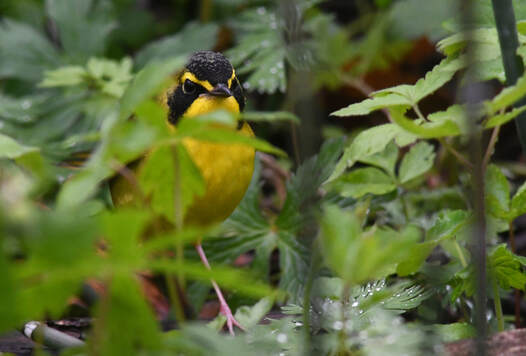
Kentucky Warbler - Point Pelee National Park
|
Spring Migration at Point Pelee
Ideal time of year: mid April - late May Point Pelee National Park and the surrounding area is undoubtedly a crown jewel in the North American birding scene, a iconic location that is on par with Texas's High Island or New Jersey's Cape May. In addition to watching the migration spectacle inside the national park, we may also visit Hillman Marsh, the nearby harbours of Wheatley and Leamington, or other locations depending on the "bird forecast". Point Pelee is near and dear to my heart (having visited hundreds of times over the years), and it truly can provide some of the best birding Ontario has to offer during the migration seasons. |
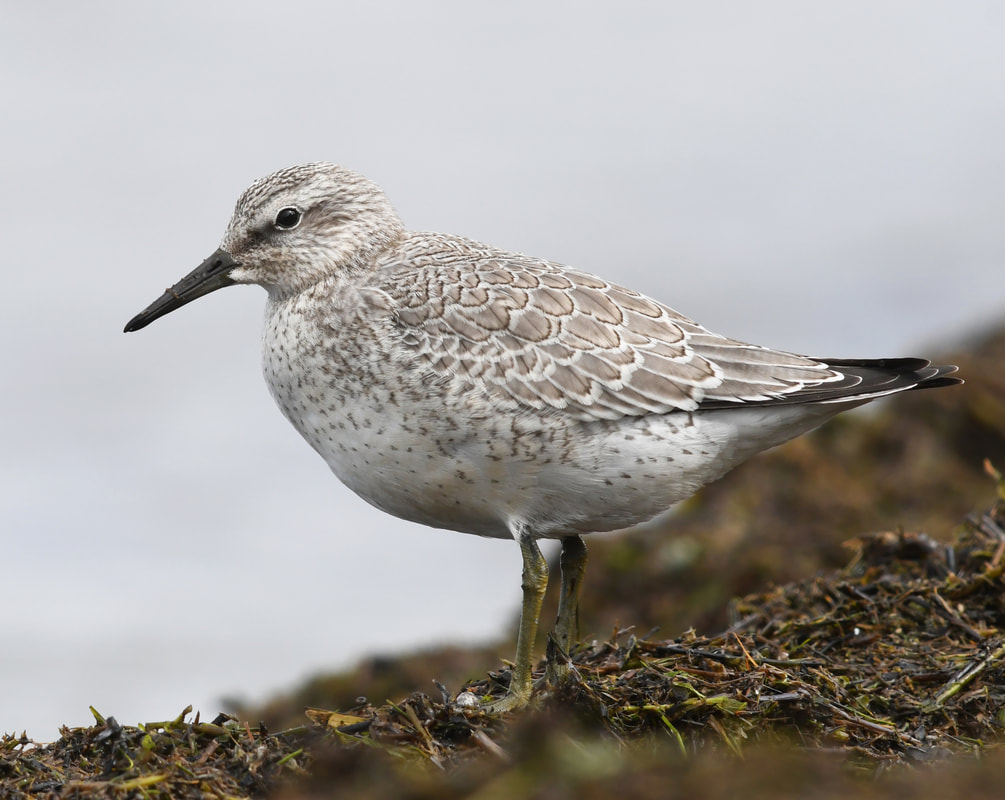
Red Knot - Jones Beach, St Catharines
|
Migration Along Niagara's Lake Ontario Shore
Ideal time of year: April - May, late August - November From 2015 to 2021 I lived in Niagara, and my favourite birding hotspot is the Port Weller east pier. This two kilometre long vegetated pier juts out into Lake Ontario and is a premiere location to search for warblers, sparrows, flycatchers and other songbirds that stop by during migration. In addition, Port Weller has a long track record of rarities that have turned up, such as Ross's Gull, Bell's Vireo, Tufted Duck, Sage Thrasher, Ancient Murrelet and more. The productive waters of Lake Ontario are a fantastic location to see a variety of ducks, grebes, loons, and - if the conditions are right in the autumn - jaegers and other "pelagic" species. Some other local hotspots which we may visit includes the mouth of the Niagara River, the Port Dalhousie pier, and various parklands along the lake which can concentrate migrants. In recent years, Fish Crows have become reliable here. |
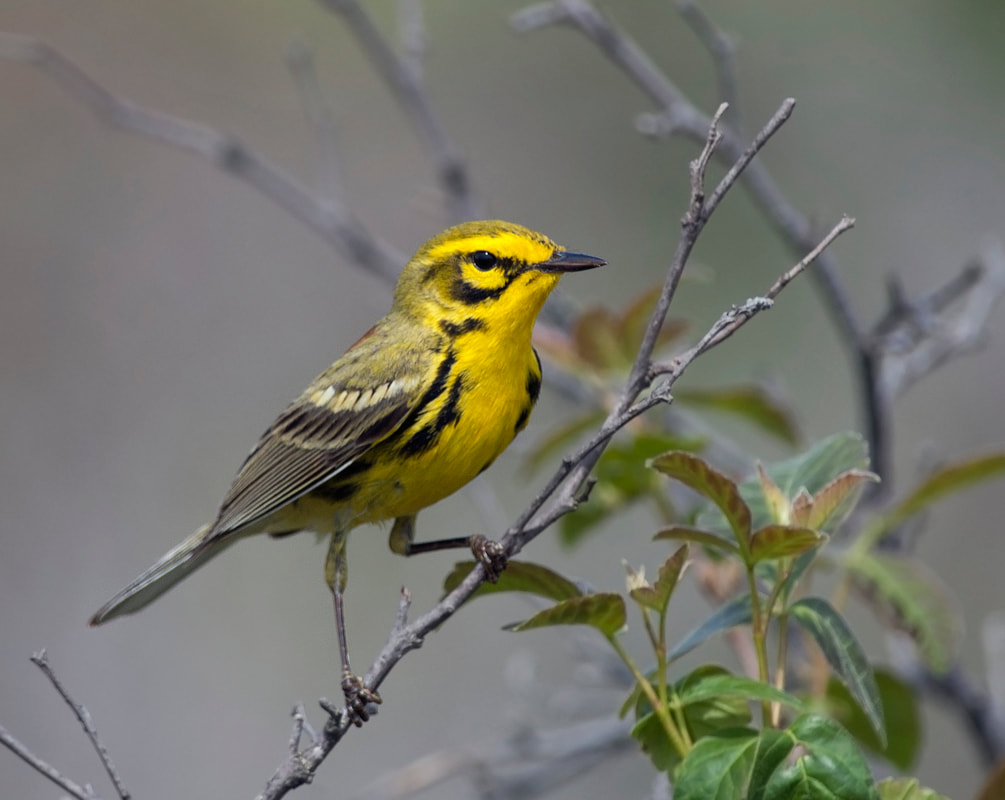
Prairie Warbler - Carden Alvar
|
Breeding Birds of the Carden Alvar
Ideal time of year: late May - early July Located an hour and a half north of Toronto, the Carden Alvar is truly a birding paradise. The locally rare alvar habitat is home to many unique plant species, along with a wide diversity of birds. The most famous resident at Carden is the Endangered Loggerhead Shrike, but many other species can be found such as Upland Sandpiper, Clay-colored Sparrow, Common Nighthawk, Bobolink and Brown Thrasher. Certain wetlands in the area are home to Least Bitterns and Sedge Wrens, while over 20 warbler species breed in the diverse forests of the area. It is possible to see over 100 bird species in a day of birding here. The butterfly and dragonfly diversity is off the charts as well! |
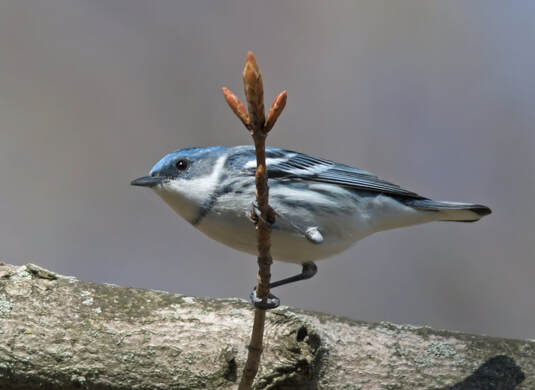
Cerulean Warbler - Morgan's Point C.A., Port Colborne
|
Migration Along Niagara's Lake Erie Shore
Ideal time of year: April - May, late August - November The south shore of Niagara Region also exhibits some fantastic birding in its own right. Several migrant traps can concentrate songbirds during migration, including Morgan's Point Conservation Area and Waverly Beach. Southwest winds in the autumn can produce great lake-watching conditions at the source of the Niagara River where it may be possible to see jaegers, rare gulls such as Sabine's, Franklin's and Black-legged Kittiwake, and shorebirds. Later in the autumn, the Fort Erie area is also a great location to study Bonaparte's Gulls and a wide variety of duck species at close range, with the chance that something rarer may appear! |
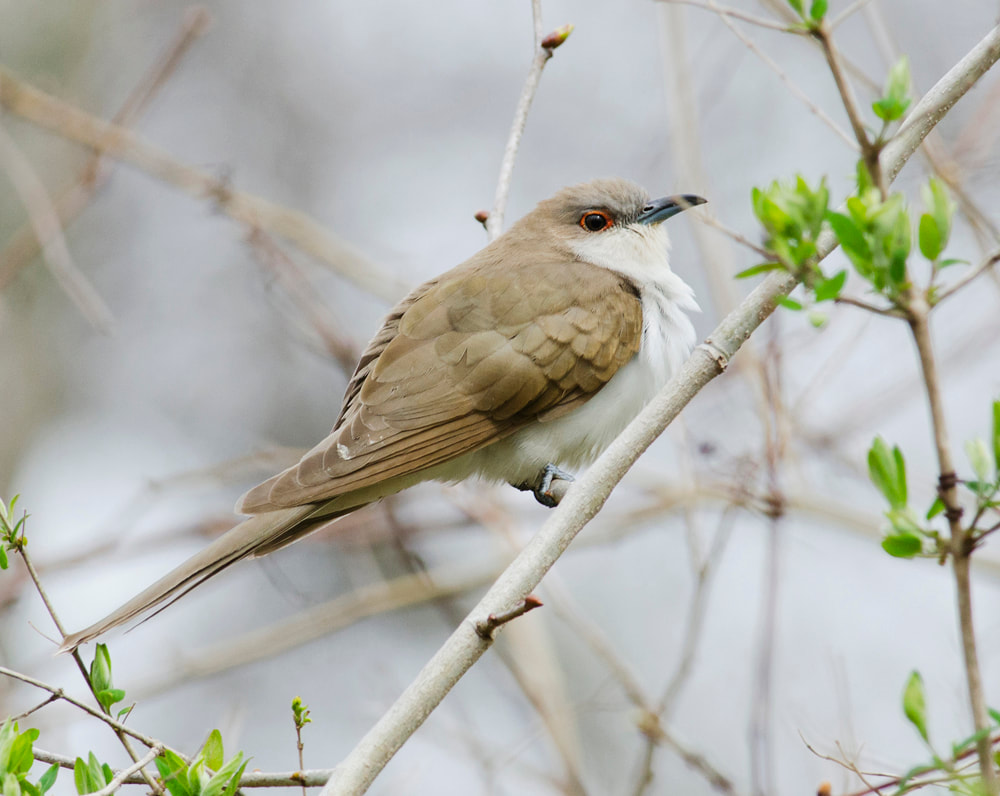
Black-billed Cuckoo - Rondeau Provincial Park
|
Warblers, Shorebirds and More at Rondeau Provincial Park
Ideal time of year: late April until Late May For those wishing to visit a place with fewer birders during the peak of spring migration, Rondeau may be the place for you. While it does not get the same crowds as the more famous Point Pelee National Park, Rondeau can equal Pelee in the sheer number and diversity of birds, such as warblers, vireos and tanagers. The mature forests and sloughs in the interior are home to Prothonotary Warblers and Acadian Flycatchers, while the long coastline often provides habitat for shorebirds. The nearby Blenheim lagoons are always worth a stop to see shorebirds and ducks, while McGeachy's Pond, the Erieau Rail Trail, the Keith McLean Conservation Area and the Erieau harbour are all excellent locations to check out during migration. |
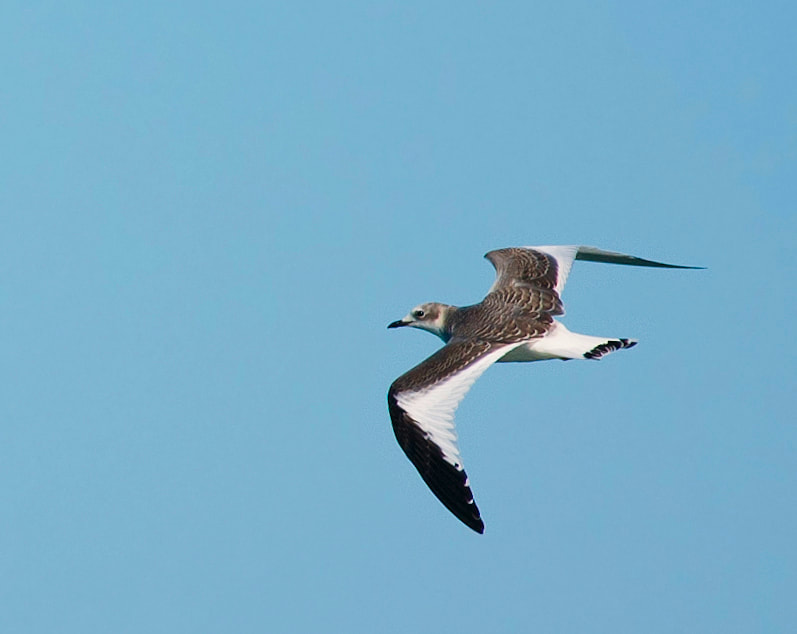
Sabine's Gull - Van Wagner's Beach, Hamilton
|
Lake-watching at Van Wagner's Beach, Hamilton
Ideal time of year: late August until early November Van Wagner's Beach is a hallowed location in the Ontario birding scene. Located at the west end of Lake Ontario, Van Wagner's can be an ideal location to see pelagic bird species that stop over on Lake Ontario during their migration from James Bay to the Atlantic coast. During suitable conditions, such as after a front where there are north or east winds, highly-desired species such as all three jaegers, Black Terns, phalaropes, Black-legged Kittiwakes, Sabine's Gulls and much more are possible here. A whole host of rare species have turned up over the years such as Leach's Storm-Petrel, Northern Gannet, Manx Shearwater and Brown Booby. The nearby Van Wagner's Ponds are a fun spot to search for sparrows, wrens, warblers, thrushes and other songbirds during migration as well. |
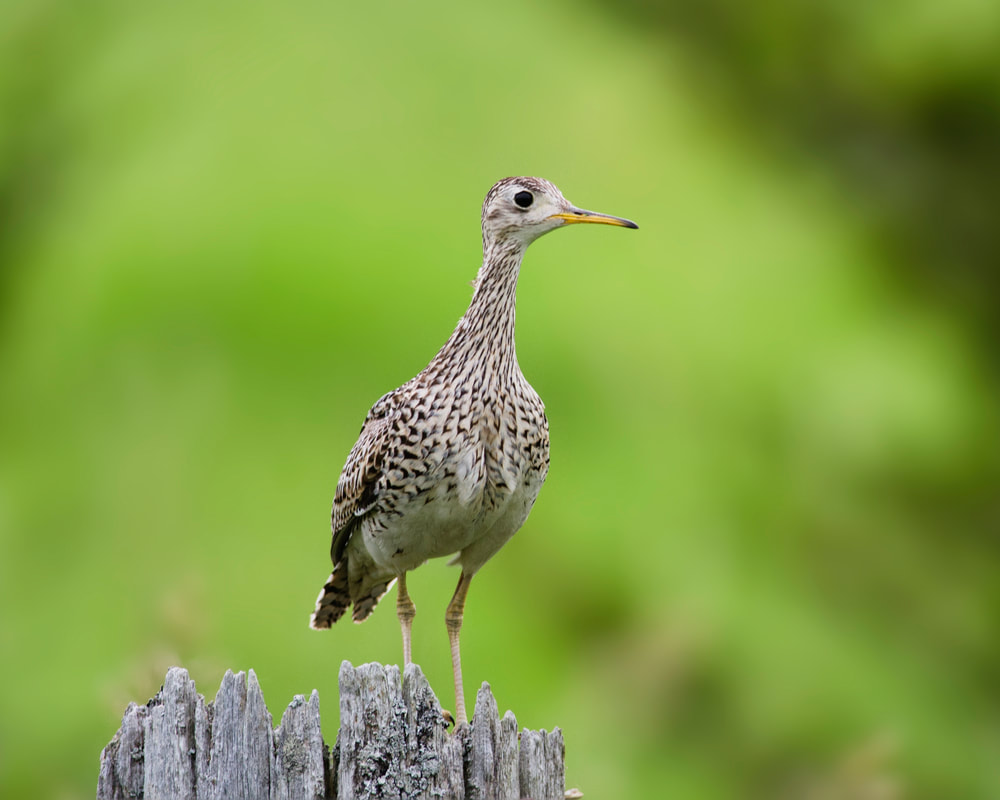
Upland Sandpiper - Ellice Swamp, Perth County
|
Breeding Birds of the Ellice Swamp, Perth County
Ideal time of year: late May - mid July Perth County is not usually the first place that comes to mind when one thinks of great birding locations in Ontario, but the Ellice Swamp is a hidden gem with an abundance of unique species among its vast forests and wetlands. Golden-winged and Blue-winged Warblers can both be found, along with the interesting hybrids that they can produce. Both species of cuckoos are regularly found here, along with a fantastic selection of breeding warblers and flycatchers. The nearby fields may produce Vesper Sparrows, Eastern Meadowlarks, Bobolinks and, if one is lucky, Upland Sandpipers. Easily accessible from Waterloo Region or the London area, the Ellice Swamp is an exciting destination with a wide variety of breeding species. Several nearby lagoons are also worth checking for shorebirds and ducks to round out a full day. |
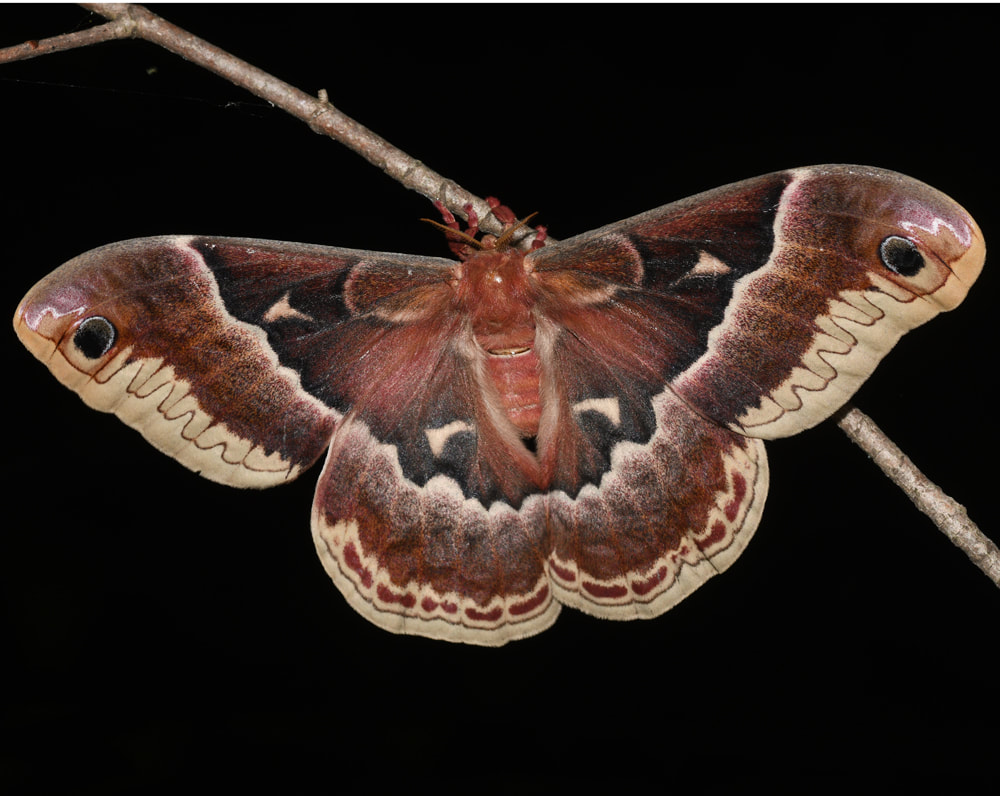
Promethea Silkmoth - Sudden Tract, Waterloo Region
|
Moth Nights!
Ideal time of year: late May - mid August In recent years moths have become a passion of mine, and I typically spent 2-3 nights a week setting up my lights and sheets in various locations in Ontario. Insect diversity is almost limitless and it is possible to see over 100 species of moths in a single night, along with countless leafhoppers, beetles, and more. Since fewer people go mothing compared to birding, there are so many exciting discoveries yet to be made, such as new species records for Ontario or even Canada. In general, warm and calm nights are ideal for mothing. Contact me if you are interested in joining me for a night of bugging out. Trust me when I say it is just as addicting as birding! Let me know if you are interested in joining for an evening, and I will come up with a cost estimate (it will be less than a full-day birding tour, for example). |
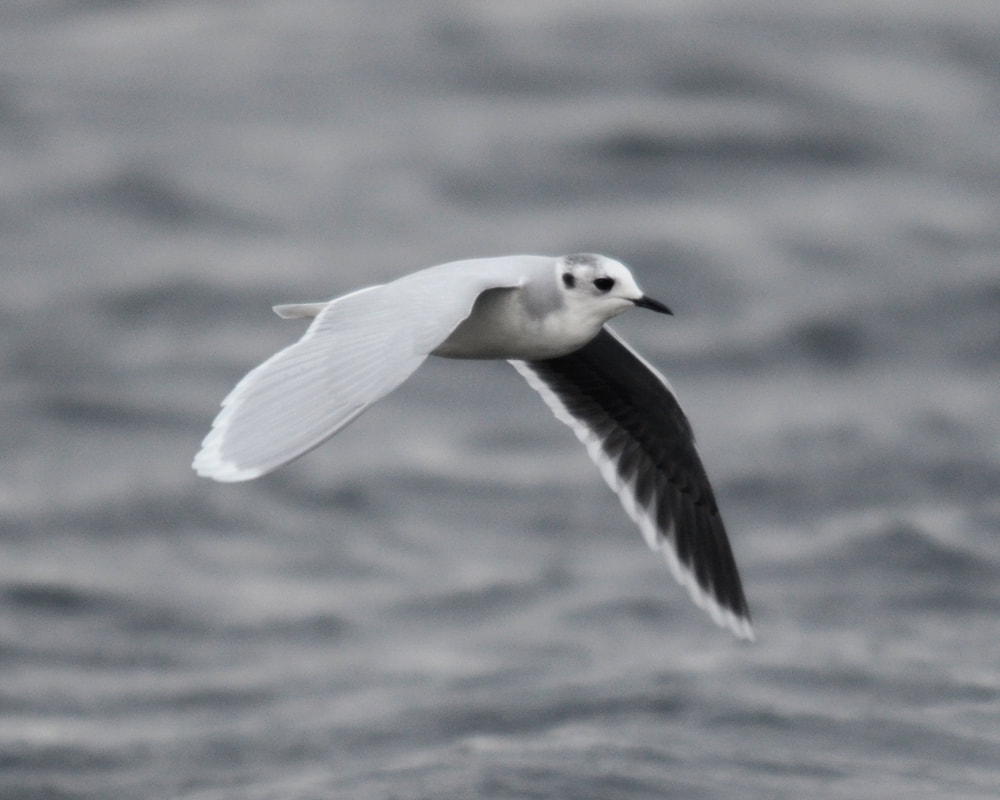
Little Gull - Barrie Marina, Lake Simcoe
|
Lake Simcoe Loons, Gulls and Grebes
Ideal time of year: late September - mid November In the autumn of 2013 I discovered a Pacific Loon in the productive waters offshore Barrie amongst a flotilla of Common Loons. Since then, more birders have scrutinized the loon flocks and Pacific Loon has become a regular visitor to Kempenfelt Bay, with at least one or two individuals present for a period of time every autumn. But while Pacific Loons may draw birders to Lake Simcoe's shoreline, it is the sheer avian spectacle that is also worth seeing. Thousands of Common Loons, diving ducks and Bonaparte's Gulls follow the schools of Emerald Shiners until freeze-up, while Little Gulls can also be quite numerous. Red-necked Grebes and Red-throated Loons are often present as well. In recent years there have been sightings of rarities such as Black-legged Kittiwake, Brant, Parasitic Jaeger, Arctic Tern, and Sabine's Gull - anything is possible at this time of year! |
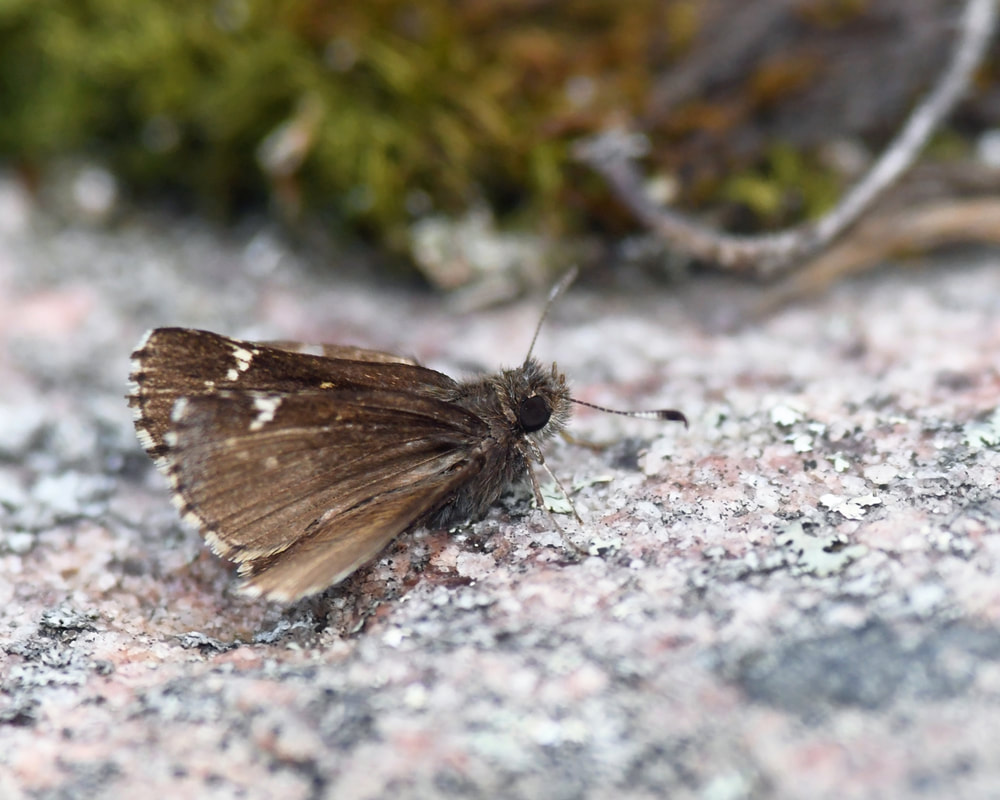
Common Roadside-Skipper - Sandy Lake Road, Peterborough County
|
Butterflies of Sandy Lake Road, Kawartha Lakes
Ideal time of year: late May - early August Sandy Lake Road is one of the top butterfly watching spots in Ontario due to its diverse habitats and plethora of rare or difficult to find species. Anytime from late May to early August can be productive, depending on what species you may be targeting. Among the possibilities, some of the more desirable butterflies found at Sandy Lake Road include Olympia Marble, Chryxus Arctic, Henry's Elfin, Gray Hairstreak, Bog Copper, Common Roadside-Skipper, Dion Skipper and Two-spotted Skipper. Additionally, the woods and wetlands here along the southern Canadian Shield provide habitat for a wide array of birds, mammals, herps, dragonflies and much more! This is just one example location, but there are many other fantastic butterflying locations across southern Ontario that I am very familiar with. |
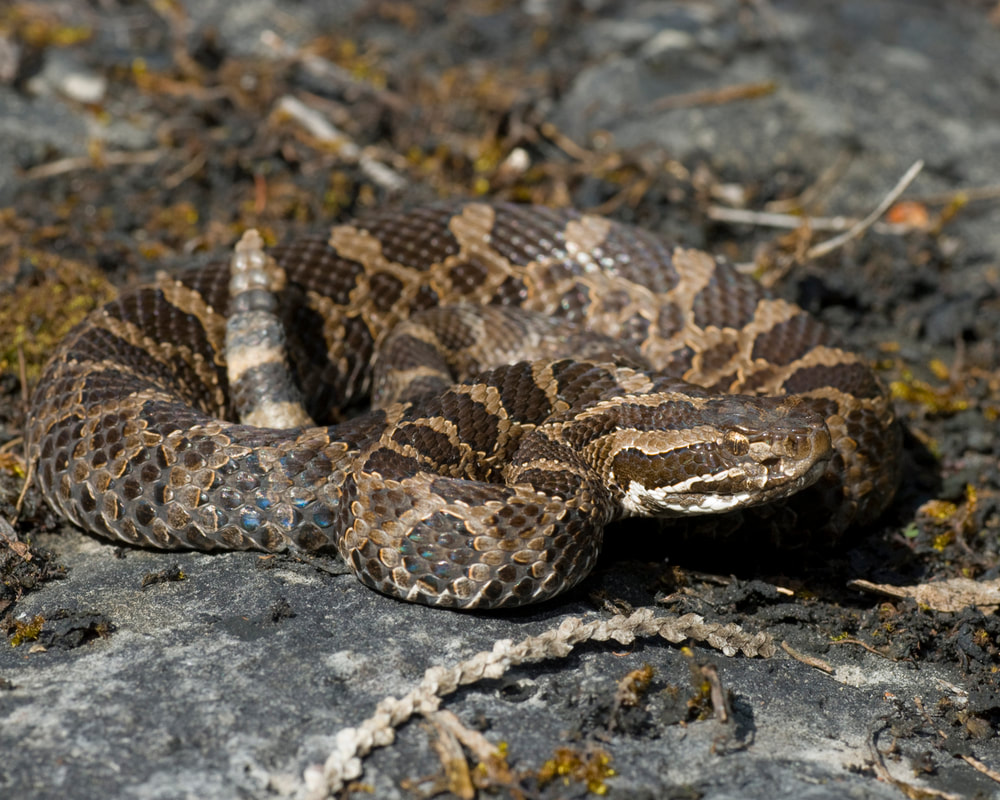
Eastern Massasauga - Bruce Peninsula
|
Orchids, Breeding Birds and Snakes of the Bruce
Ideal time of year: late May - late July The Bruce Peninsula is another one of Ontario's crown jewels. Jagged coastlines, sprawling alvars and diverse forests provide a scenic backdrop to some excellent nature exploration opportunities. Breeding birds include specialties like Upland Sandpiper, Brewer's Blackbird, Piping Plover and around 20 warbler species (including Canada, Cerulean and Golden-winged). A wide variety of orchid and fern species can be sought out, while there is even a good chance that we encounter a few interesting reptiles, such as the beautiful Eastern Massasauga. |
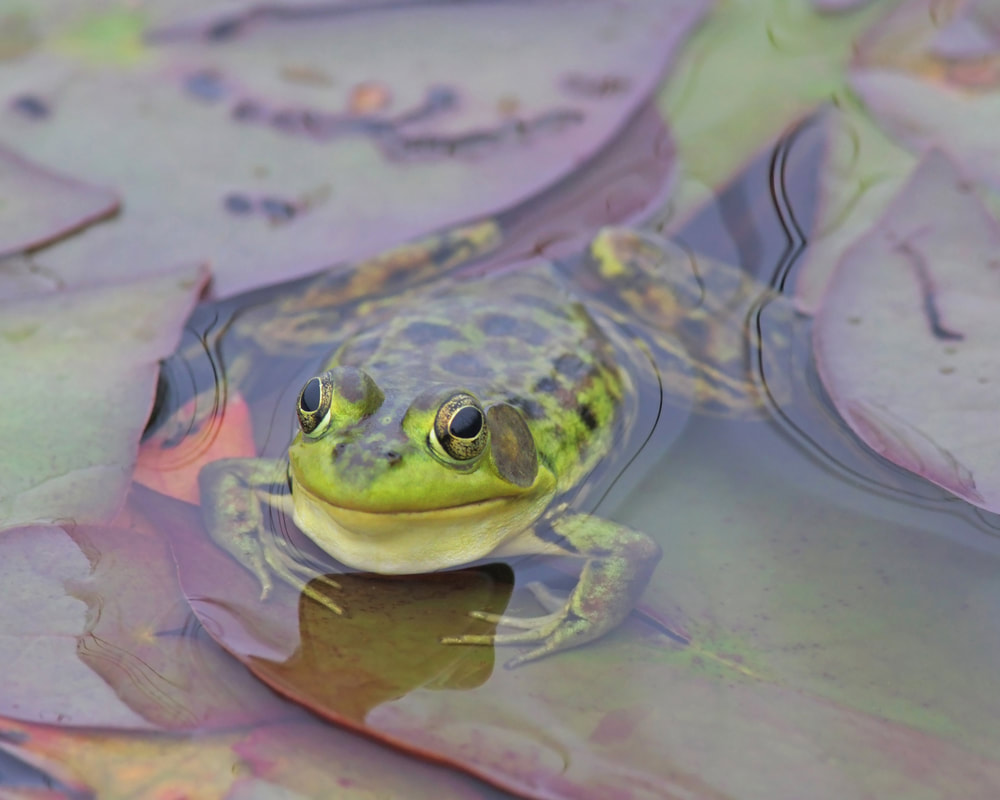
Mink Frog - Luther Marsh
|
Luther Marsh Breeding Birds and Boreal Specialties
Ideal time of year: late May - mid July Located less than an hour north of Guelph, the Luther Marsh is like a little slice of northern Ontario in the south. Breeding birds include the Lincoln's Sparrow, a species normally found much further north, while the Mink Frog is another boreal species that finds habitat here. A nice variety of wetland birds breed at Luther Marsh as do a surprisingly high number of duck species. Sometimes, breeding birds such as Sedge Wren and Clay-coloured Sparrow can be found in the surrounding fields. |
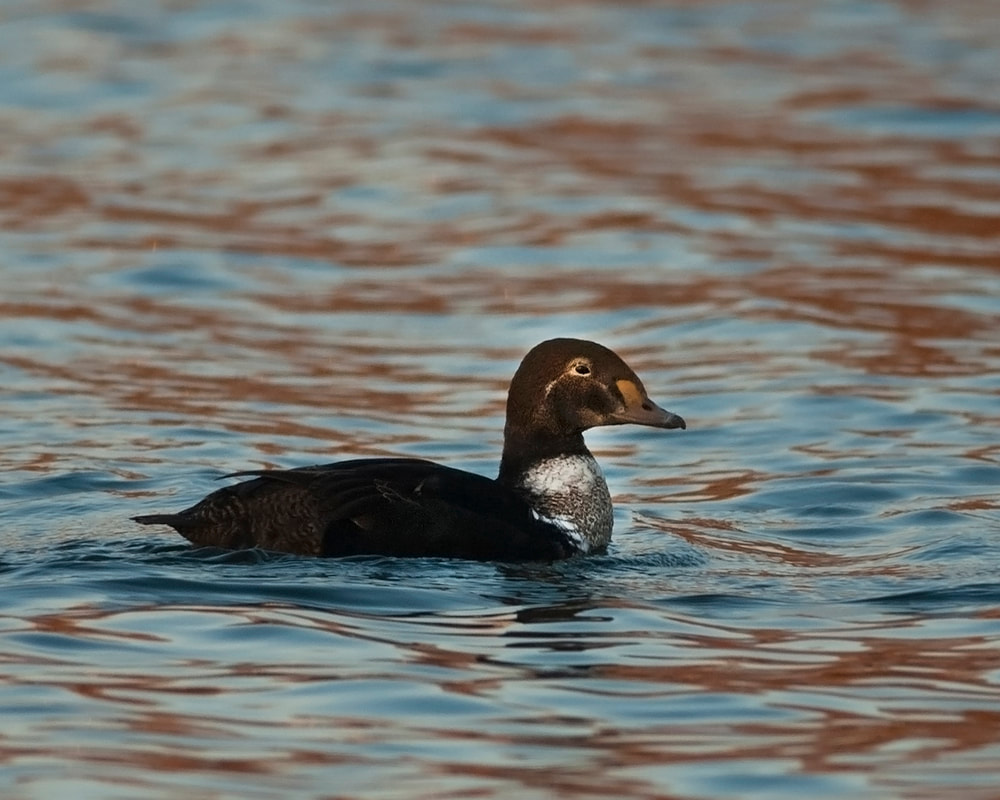
King Eider - Bayfront Park, Hamilton
|
Winter Waterfowl Roundup
Ideal time of year: November - March The west end of Lake Ontario holds many thousands of waterbirds throughout the winter. This phenomena is relatively recent, as the proliferation of zebra mussels has provided an abundant food source for scoters and other diving ducks. There are often several King Eiders or Harlequin Ducks kicking around, while all three scoters can often be viewed from the Stoney Creek waterfront. Certain locations in Hamilton can hold a nice variety of dabbling ducks and there is often one or more rarity around, somewhere along the shoreline. Calm days (with a flat Lake Ontario) are ideal conditions for scanning the waterfowl offshore. |