|
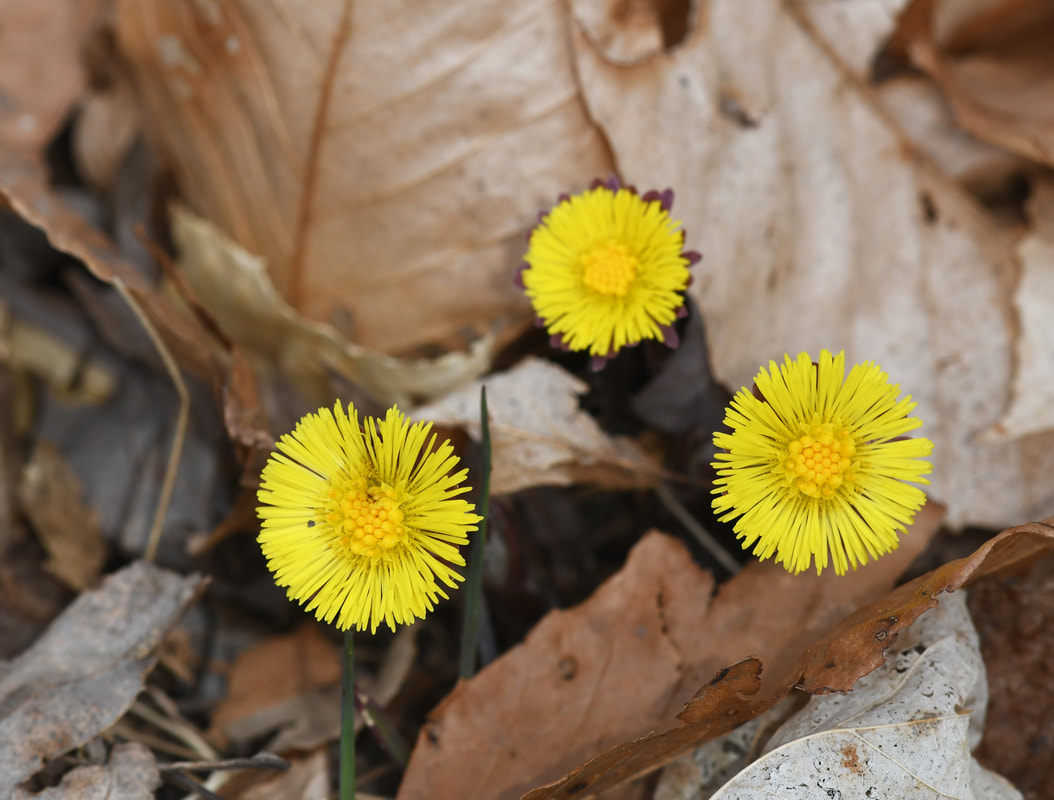
As the calendar flipped over to April, the warm spring weather continued unabated. On April 5 Laura and I, along with my parents, visited a beautiful natural area close to where they live in Cambridge. It was my first visit to this particular forest this spring and I was hoping to observe some Northern Ribbonsnakes. I have visited this particular site several hundred times over the years and I never tire of the ribbonsnakes! The air temperature was noticeably cooler than the previous few days, meaning that the reptiles were a little slow to get going. Regardless, we enjoyed the sights and sounds, such as this pair of vocal Sandhill Cranes. What a prehistoric sound they can create. We scared up several small moths during our walk. The vast majority were a species of tortricid moth that I have identified as Pseudexentera sepia. You may recall this genus of moth from my most recent blog post. A few other moths from this genus were noted as well, including P. virginiana and P. spoliana. Even with the sun barely peeking through the clouds and the temperature holding steady around 10 degrees Celsius, we soon found a number of Northern Ribbonsnakes as well as several Eastern Gartersnakes. This is the only site that I have visited in southern Ontario where the ribbons typically outnumber the garters. This big female Eastern Gartersnake was quite attractive, with bold orange accents. If only I had a better angle for photos. On a few occasions, I have gone looking for wildflowers, insects, birds and whatever else I could find in the Point Abino area, which is located between Fort Erie and Port Colborne. The early spring wildflower show is pretty incredible at this location; a treat for the winter-weary senses. During one of these visits I stopped and watched a Yellow-bellied Sapsucker for a while. It had drilled several fresh wells on the trunk of a Red Maple. The sap was running, and the woodpecker was taking full advantage of this ample food source. Sapsuckers will - you guessed it - drink the sap, but they will also obtain a protein boost from any small invertebrate that happens to get trapped in the sap. On April 14 I visited Rock Point Provincial Park during a glorious spring morning. The winds were very light upon my arrival and the park was full of migrant bird species. My highlight was a flyover Evening Grosbeak; presumably, it was a returning bird after the super-flight last autumn. I also lucked into a male Surf Scoter while I was scoping the waterfowl offshore. It can be a tricky bird to see in the county. I tried to turn one of the many Horned Grebes into an Eared Grebe, though I was unsuccessful in that venture. Common Loons were busy migrating high in the sky; they were all a little too high up for good photos. Late in the afternoon on April 15, Reuben and Matthew Klassen discovered a big-time rarity in Niagara Region - a Little Blue Heron - which they had discovered along the Niagara River north of Fort Erie. This species had only been documented on three previous occasions in the county. Word did not get out to the birding community until that evening, but, needless to say, there were lots of eager birders hoping to see the bird the next day. Early in the morning Jean Hampson and Bob Highcock re-discovered the heron in the same area - along Miller's Creek - and so I raced over to check it out. It was out of sight upon my arrival but soon appeared, delighting the onlookers present. It settled in next to some Great Egrets and proceeded to rest for a few minutes, allowing its photo to be taken. The heron's stay was short-lived as it quickly took to the wing and flew past us, eventually disappearing downriver somewhere. The lighting was terrible for the fly-by, so this was the best that I could manage. Fortunately for those arriving later, the heron remained in the area and was seen on-and-off throughout the rest of the day. I, meanwhile, continued on to Port Weller where I enjoyed an excellent walk up the east pier. I was hoping that the damp, overcast weather would help limit the numbers of people walking along the pier, and fortunately, it did. Love was in the air, if you were a Red-breasted Merganser. The males were trying their hardest to impress the females, bobbing and weaving while calling to them. For the most part, the females looked unimpressed. The Fox Sparrow is a species that I have had a bit of trouble with recently in southern Ontario. Last year I did not observe my first until late in December, and, prior to this day, I had only encountered two individuals this spring (both were heard-only). Finally, I caught up to a handsome individual which had caught my attention with its "smack" calls from the undergrowth. Fox Sparrows can be quite skulky but this one hopped out into the open.
0 Comments
Leave a Reply. |
Archives
February 2026
|
RSS Feed