|
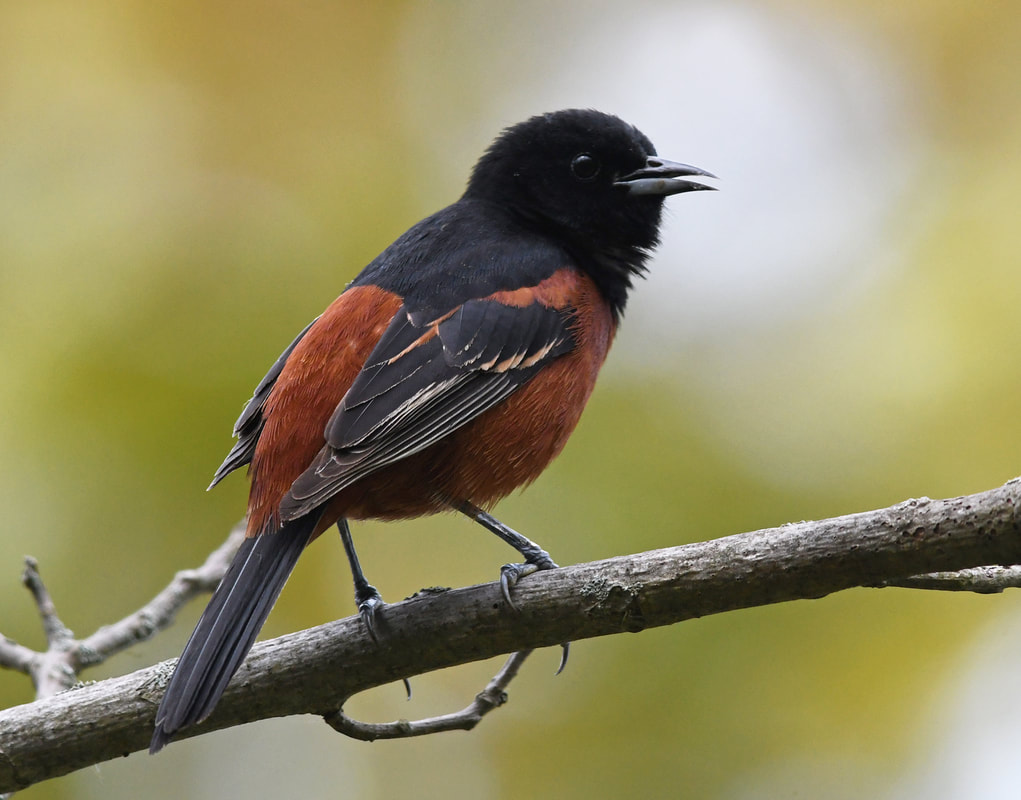
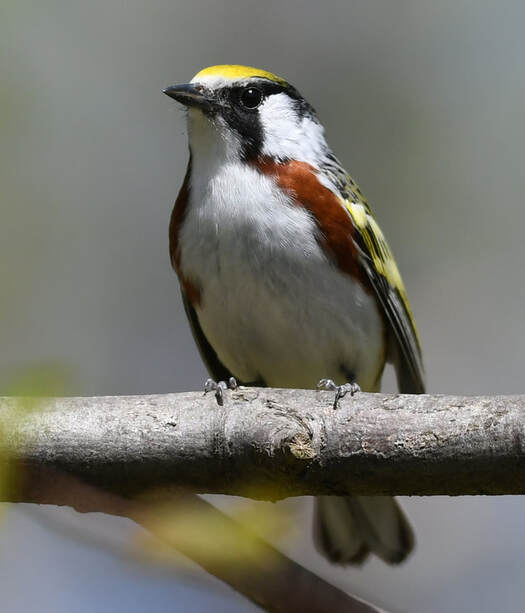
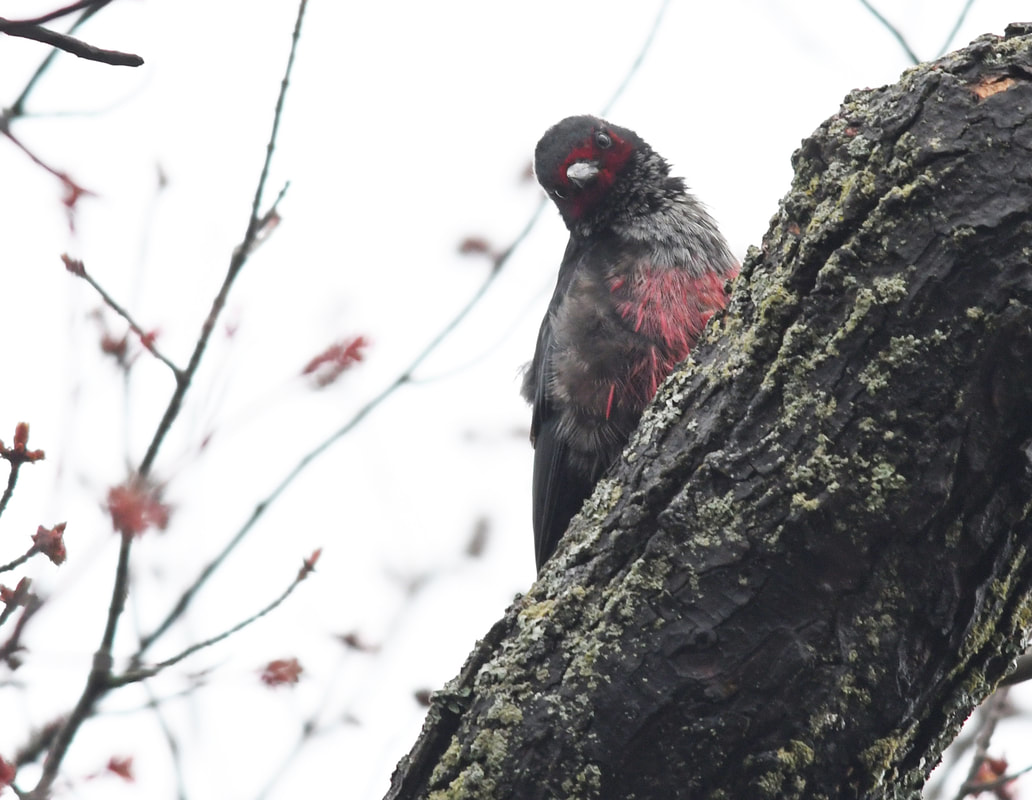
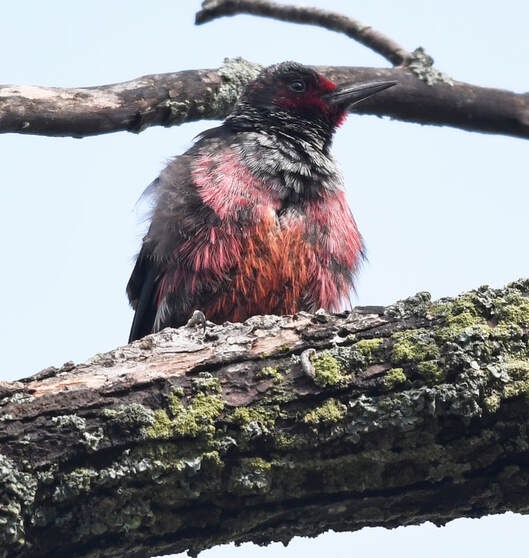
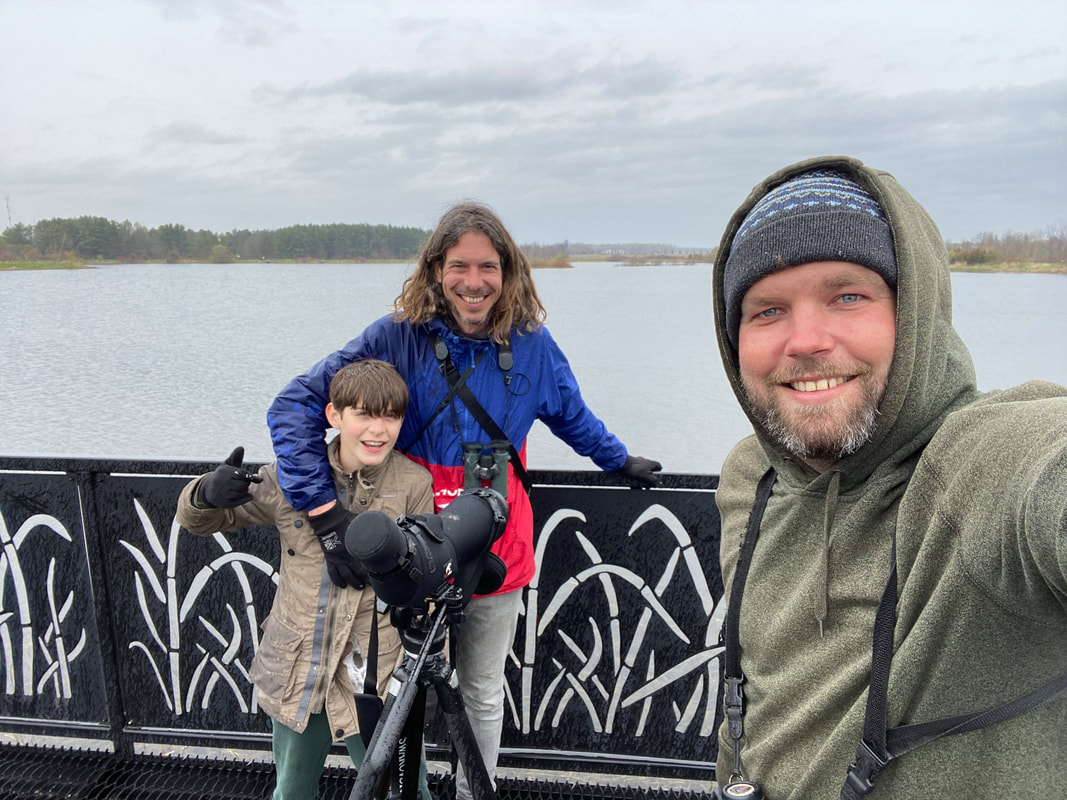
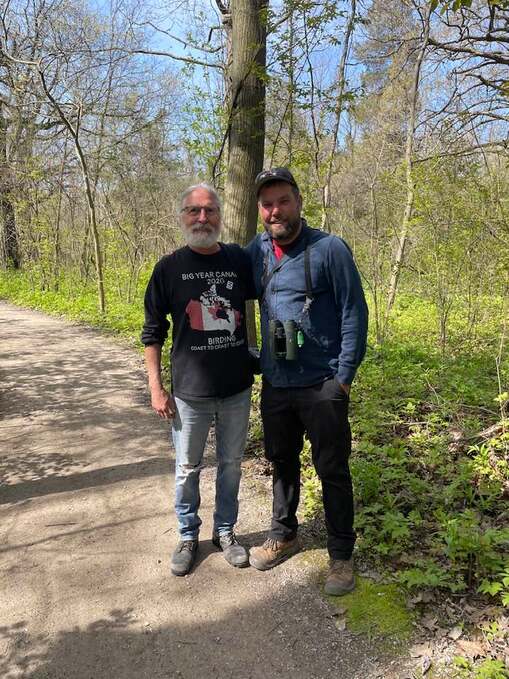
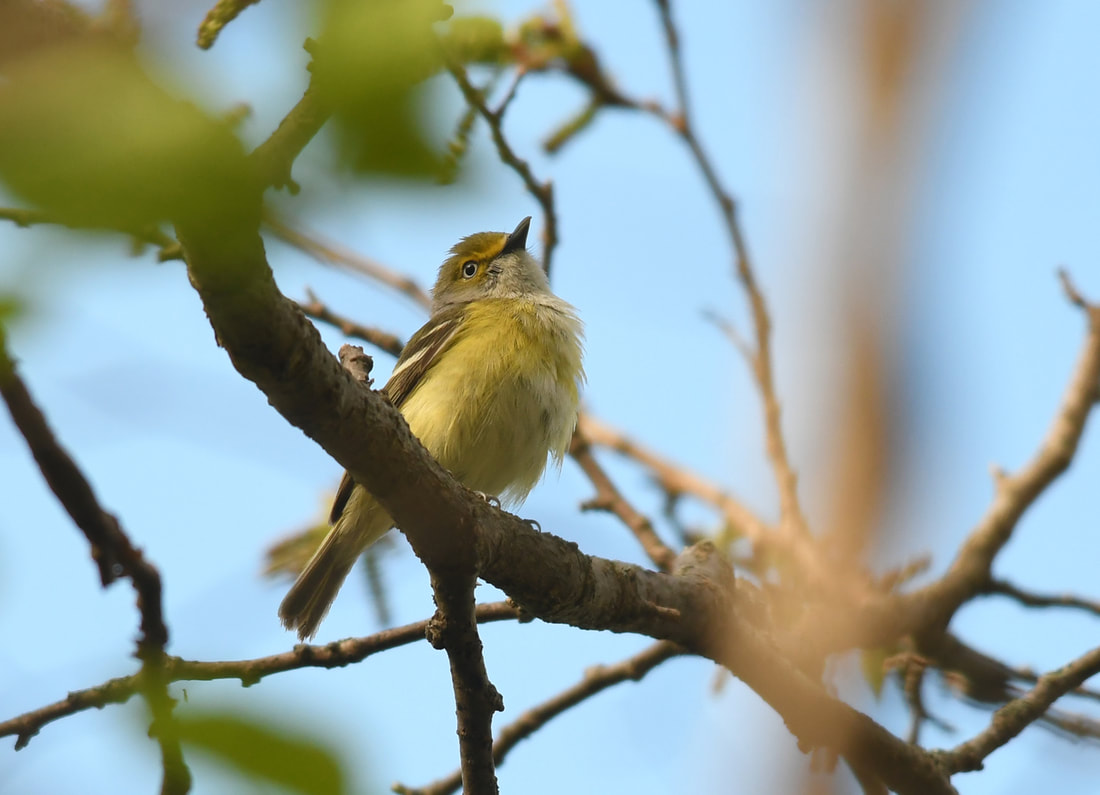
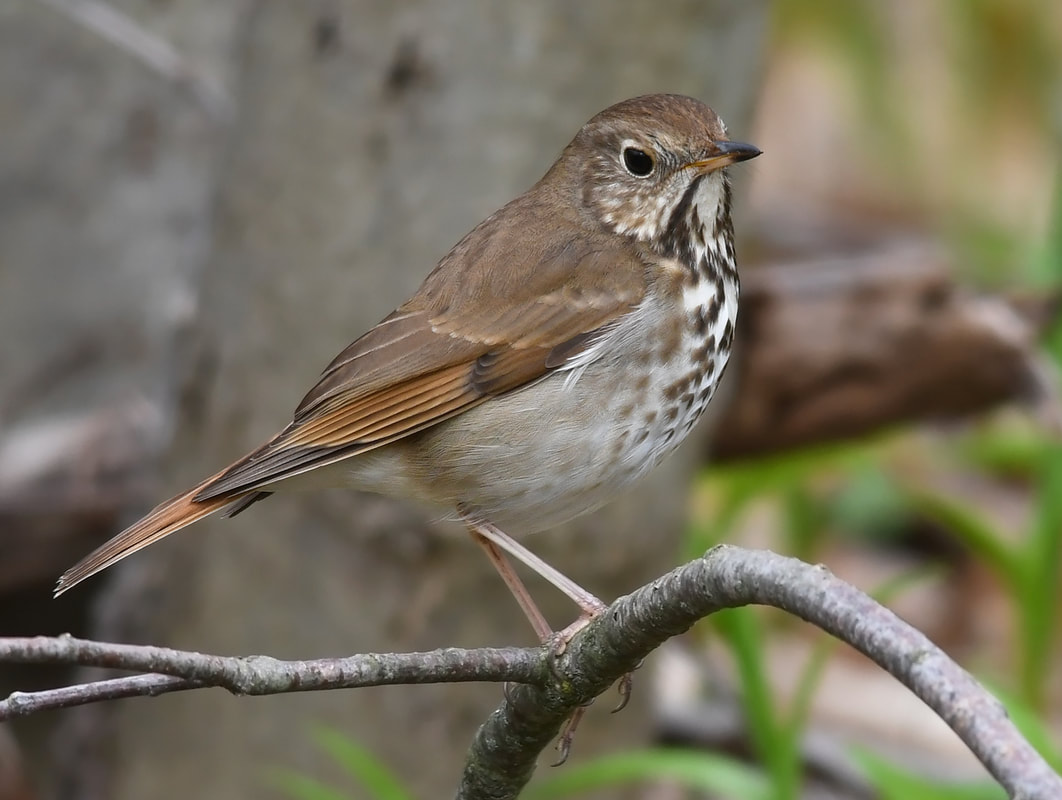
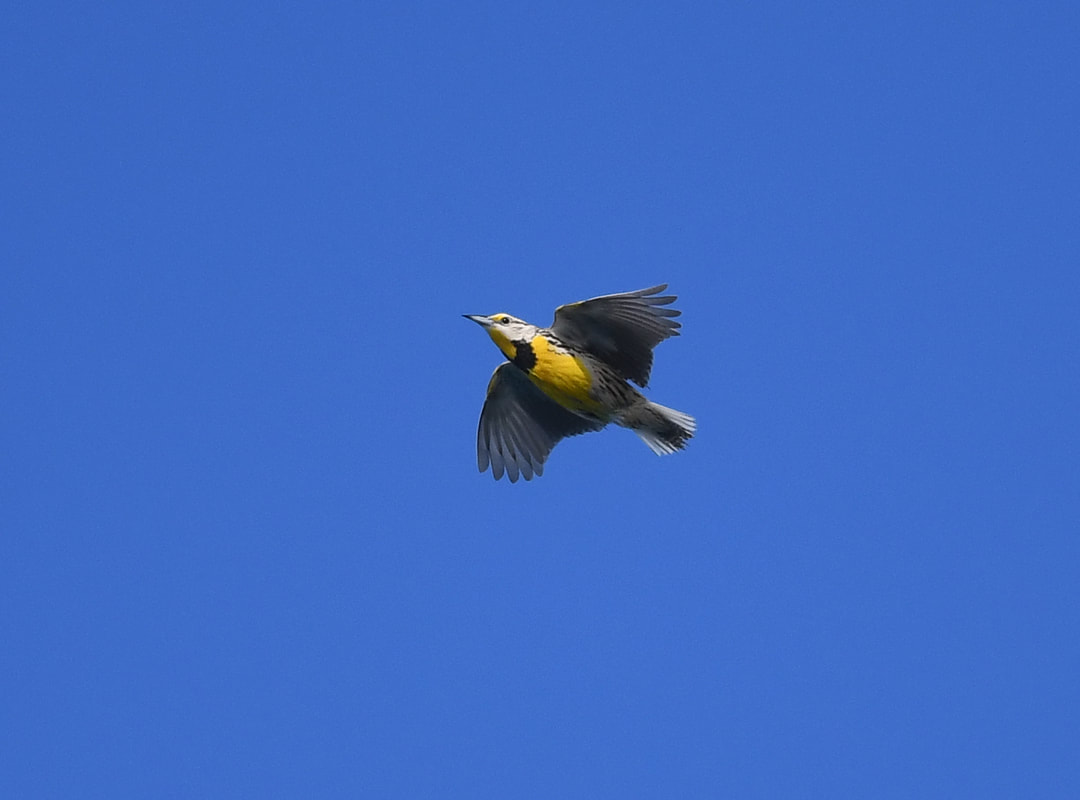
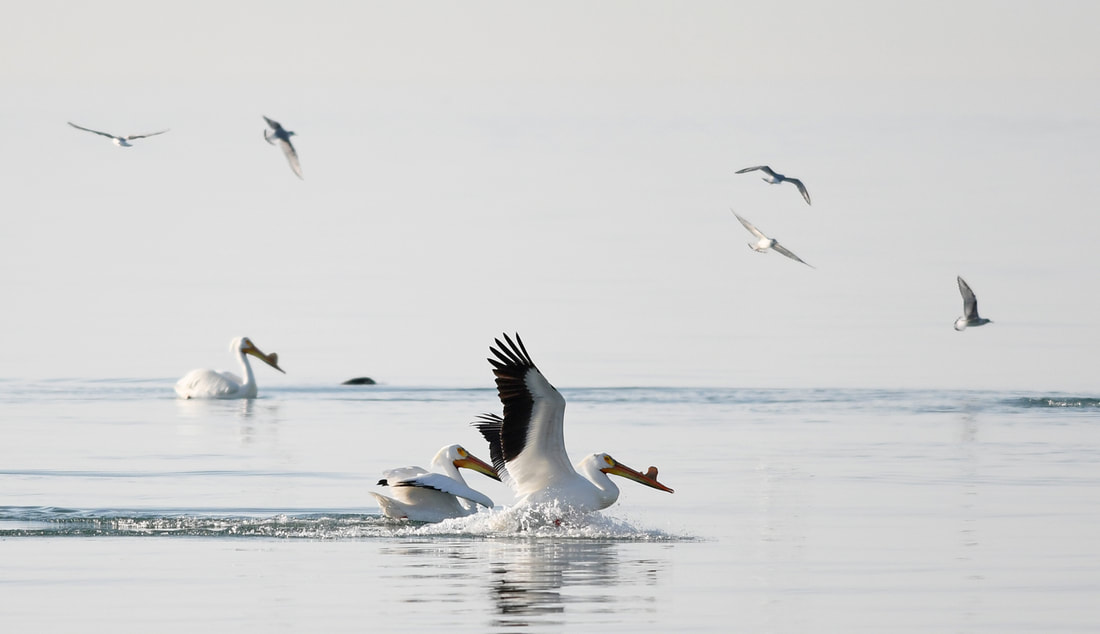
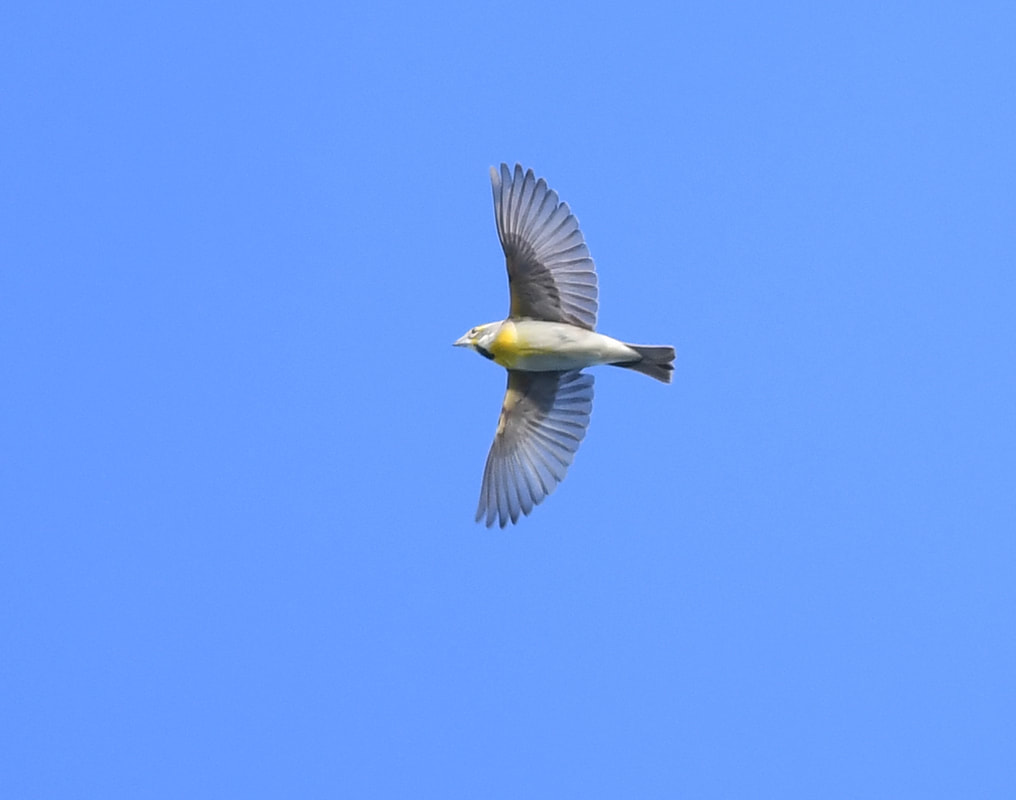
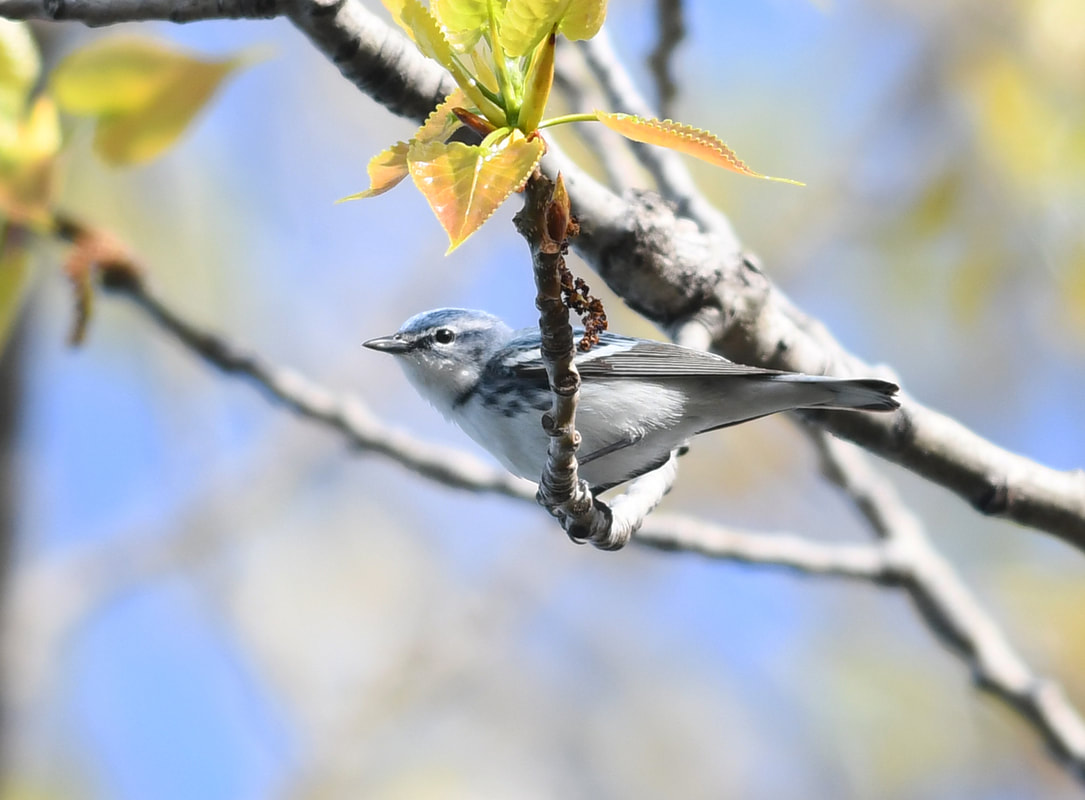
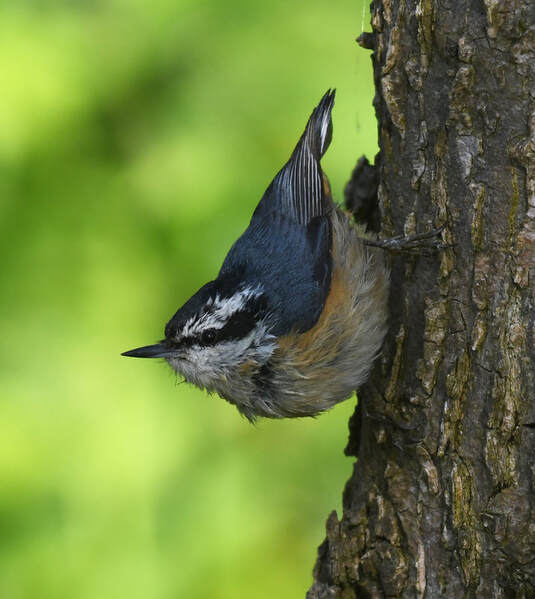
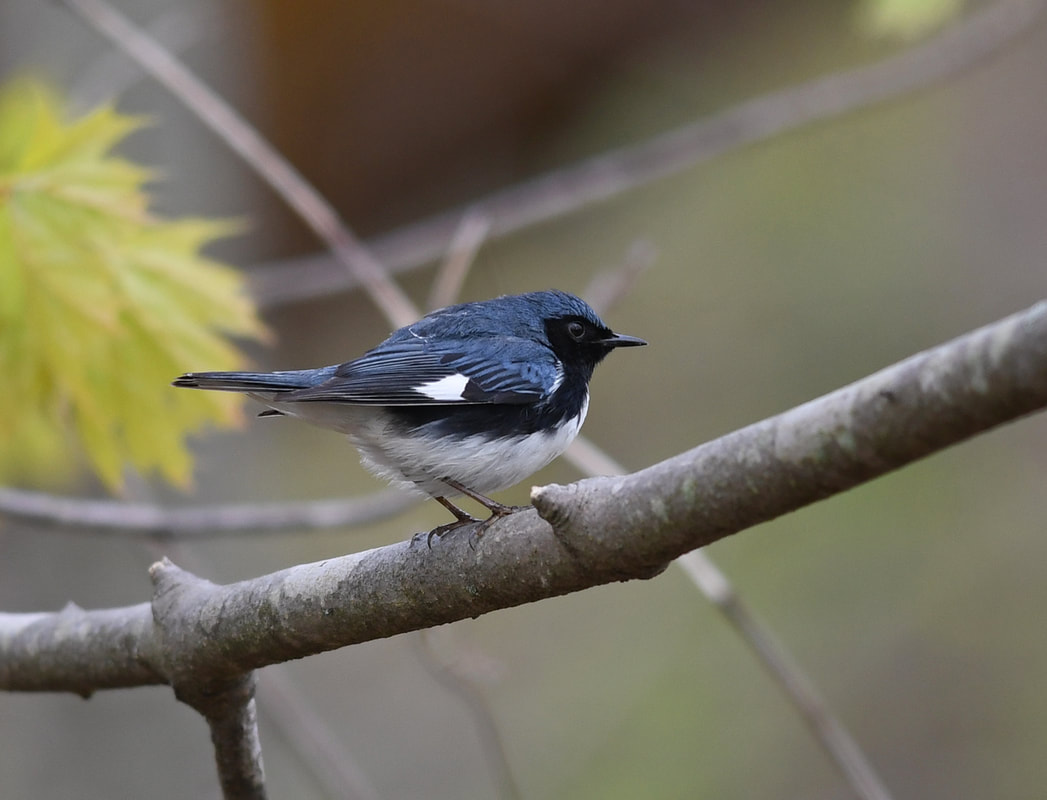
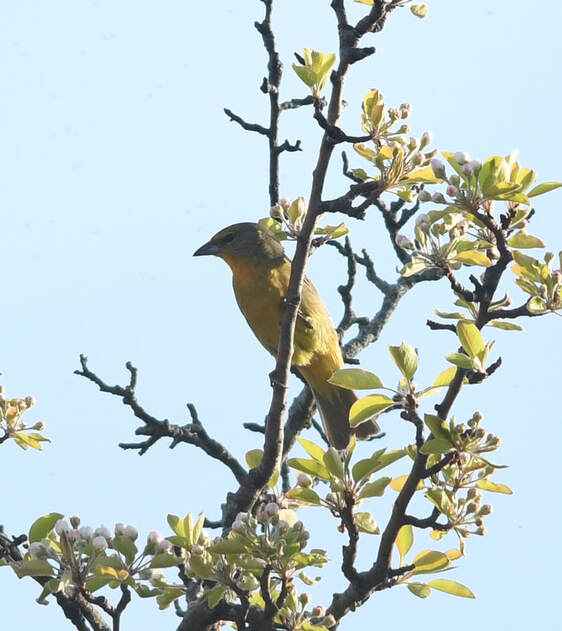
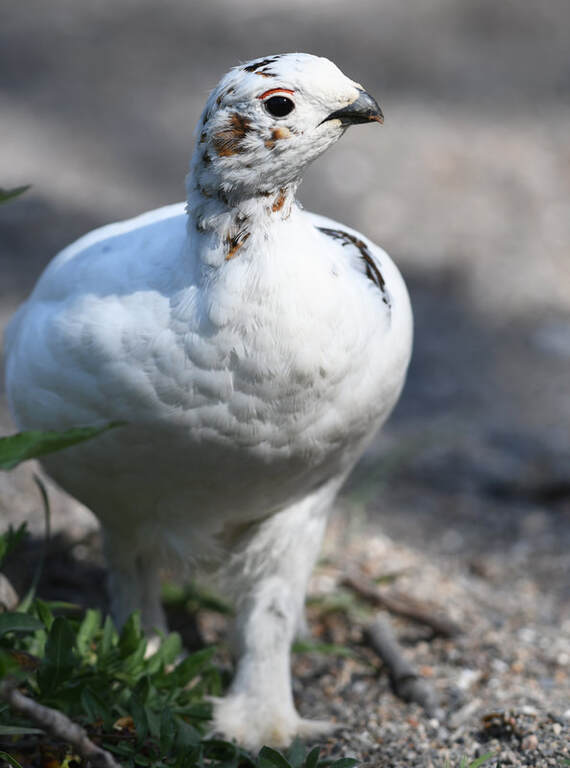
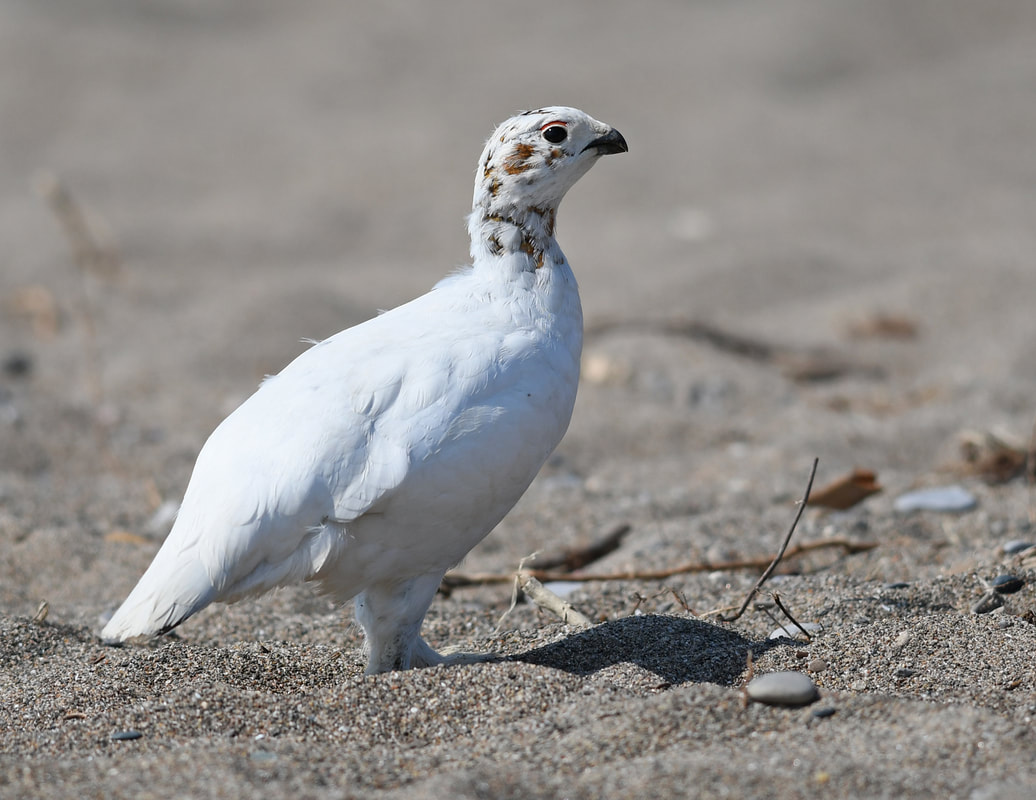
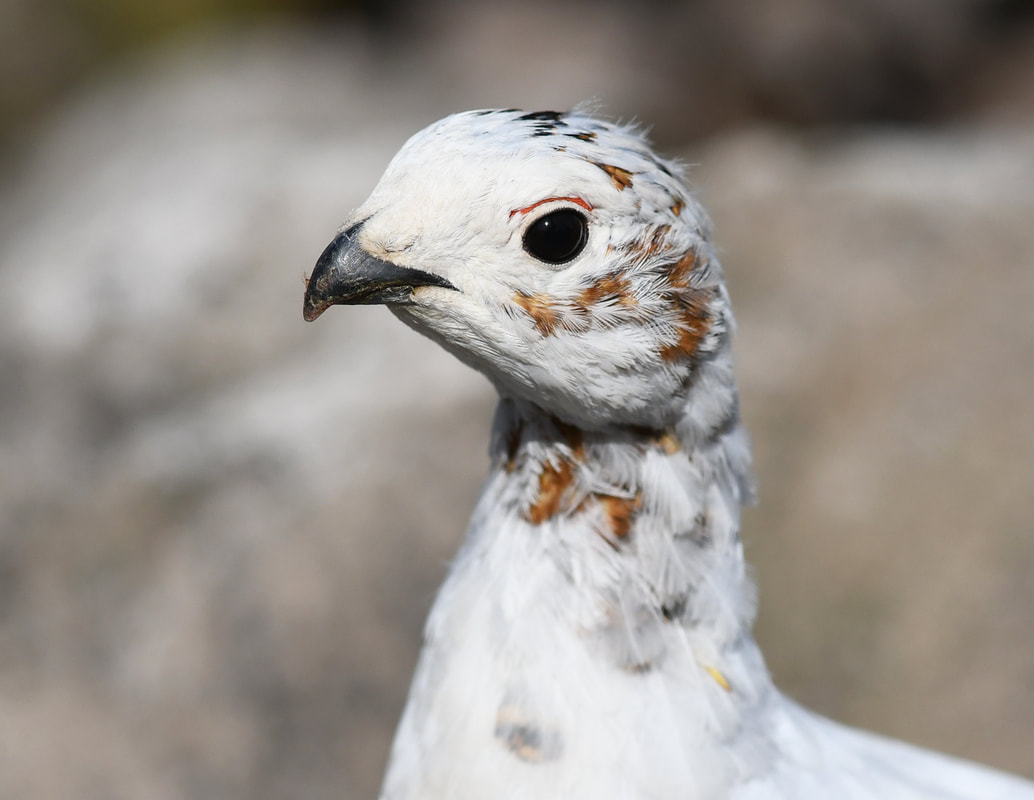
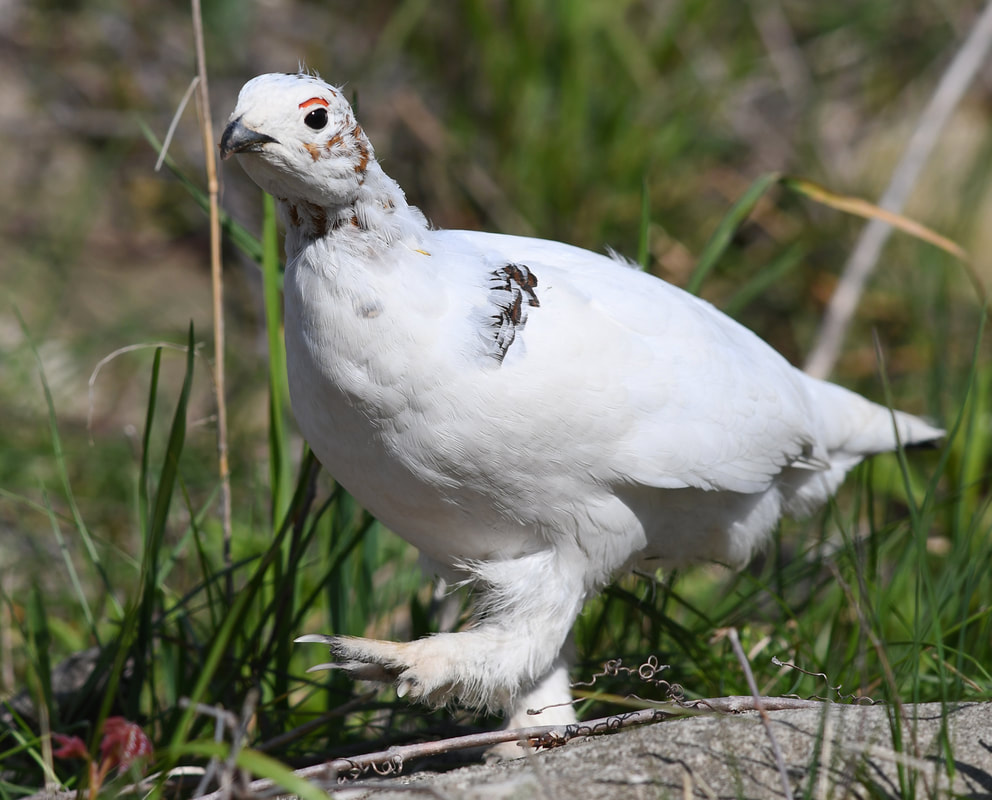
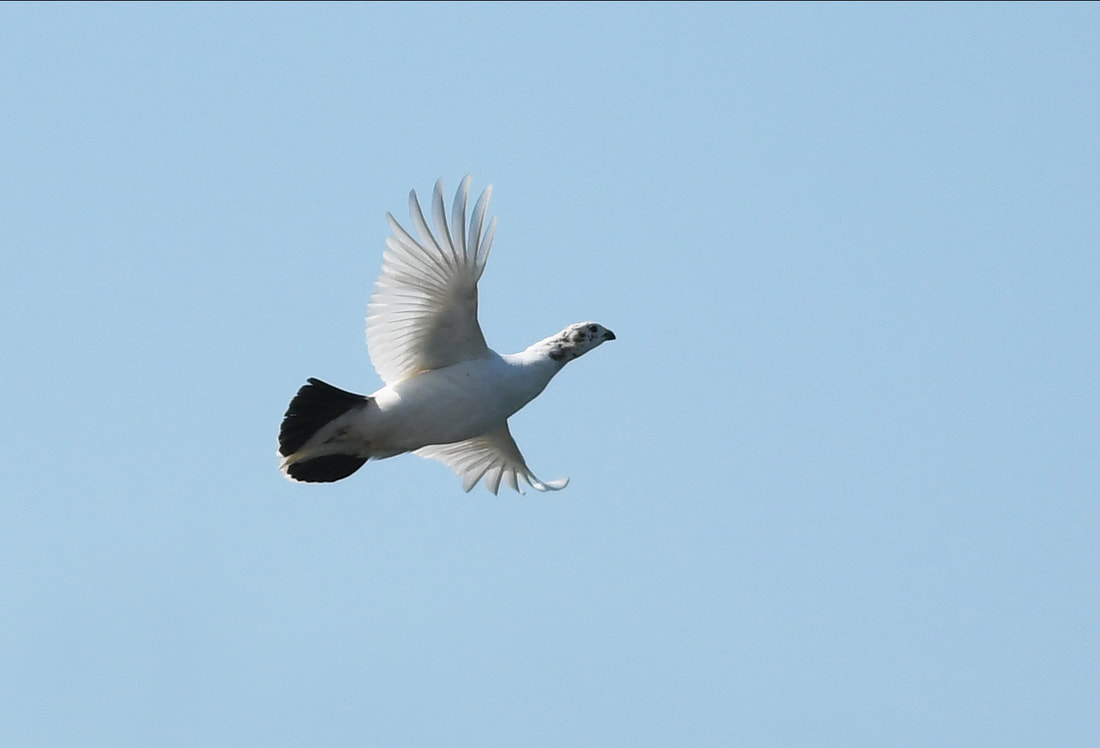
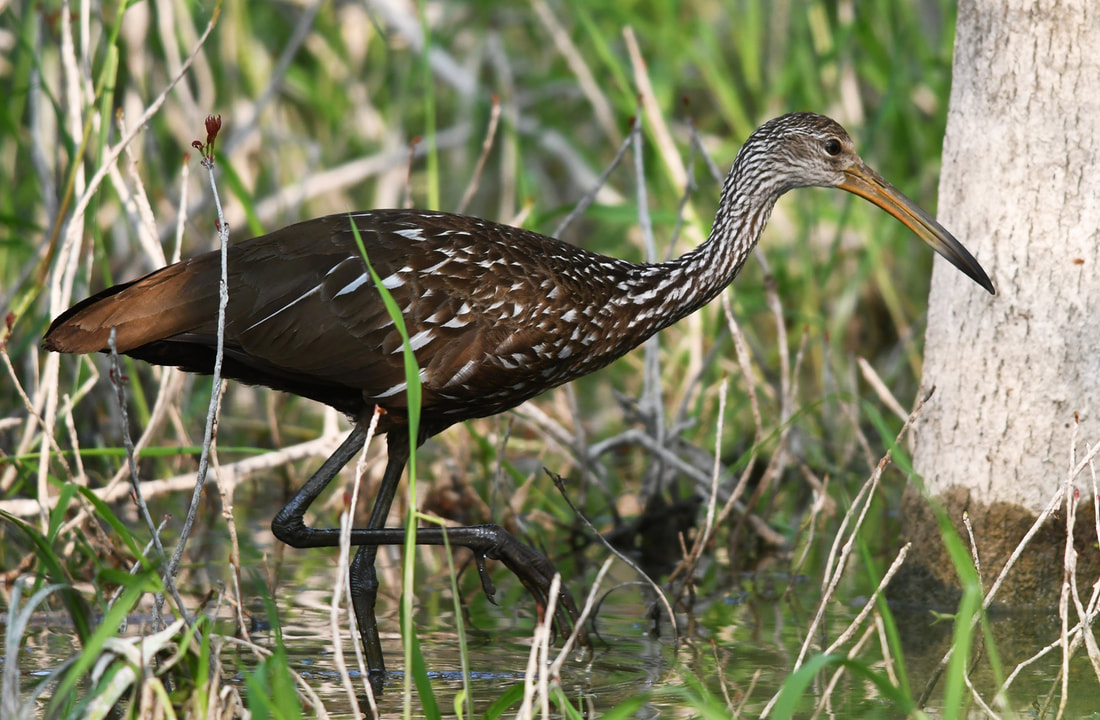
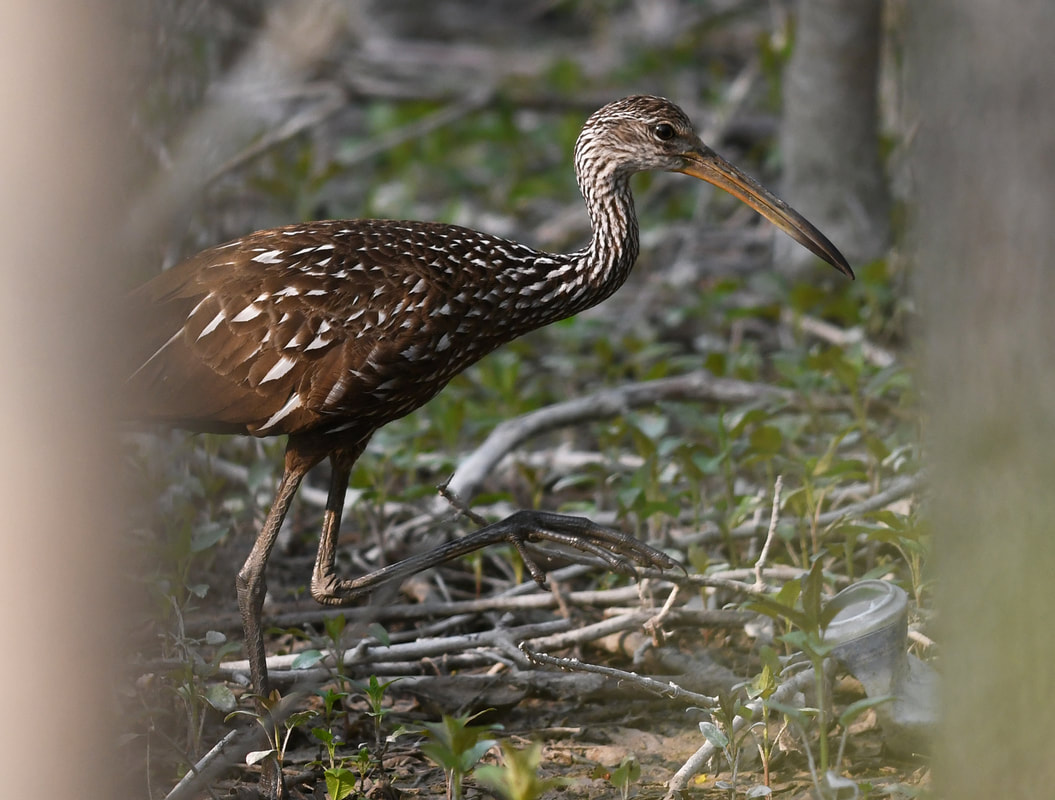
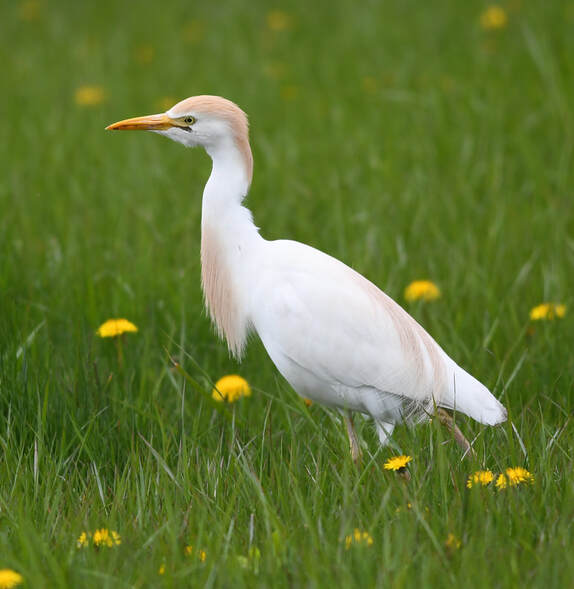
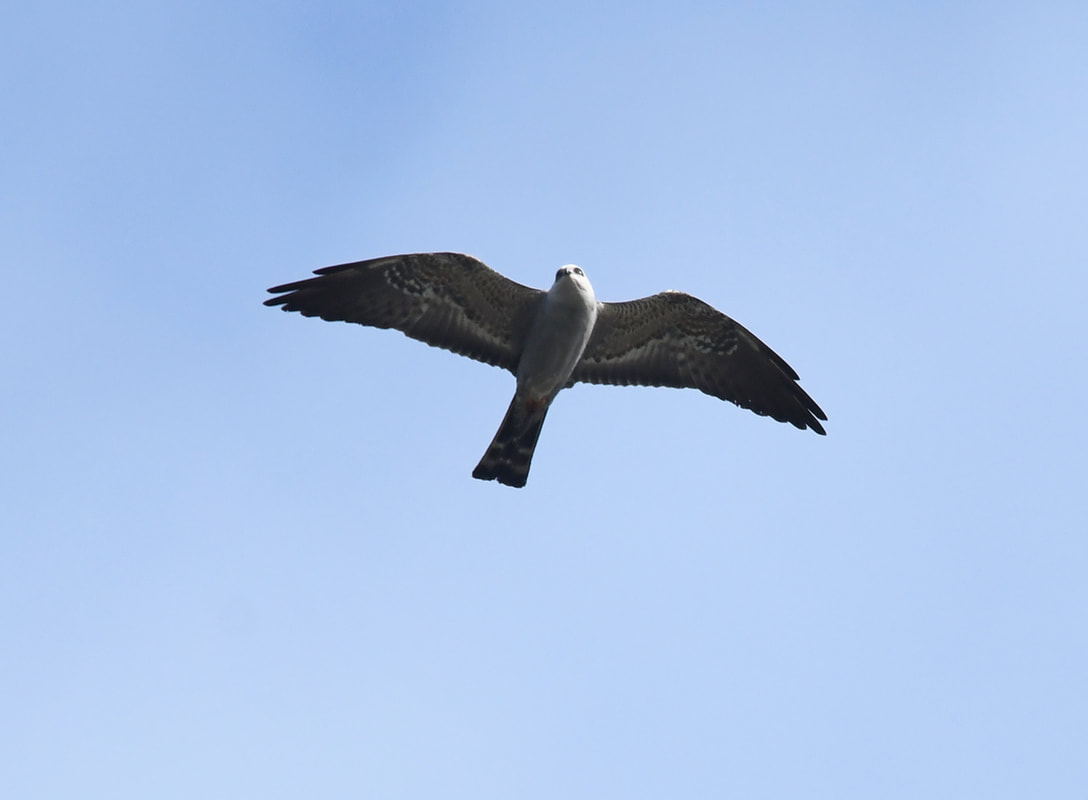
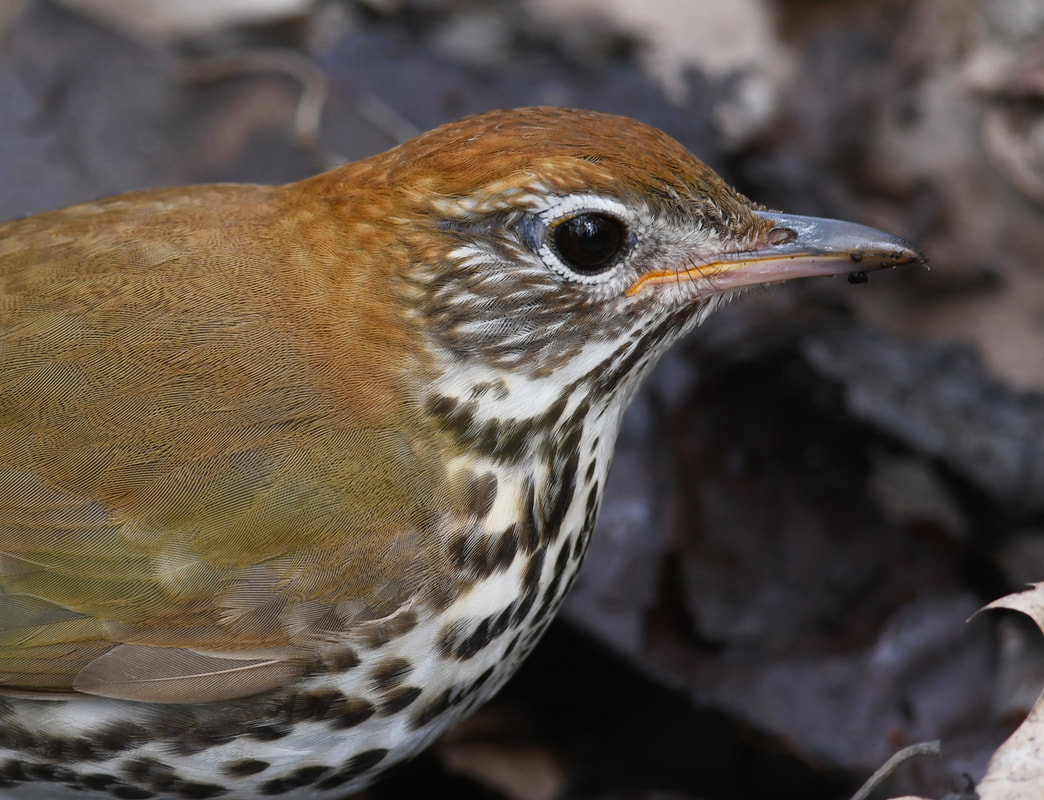
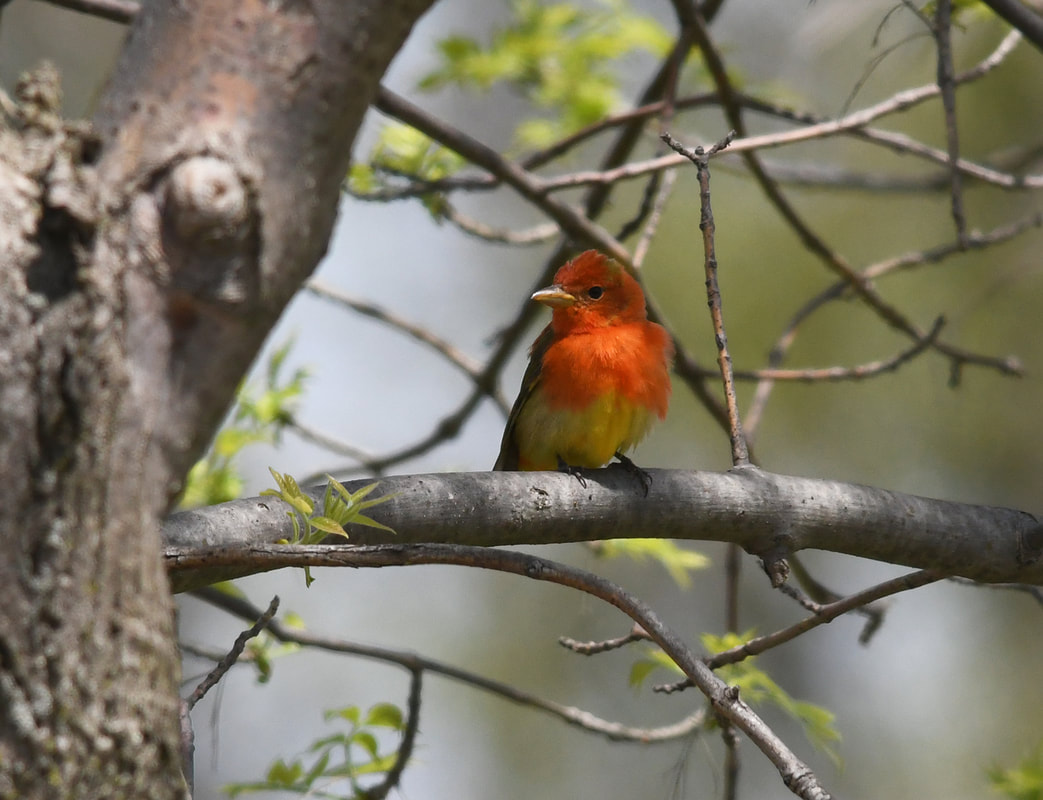
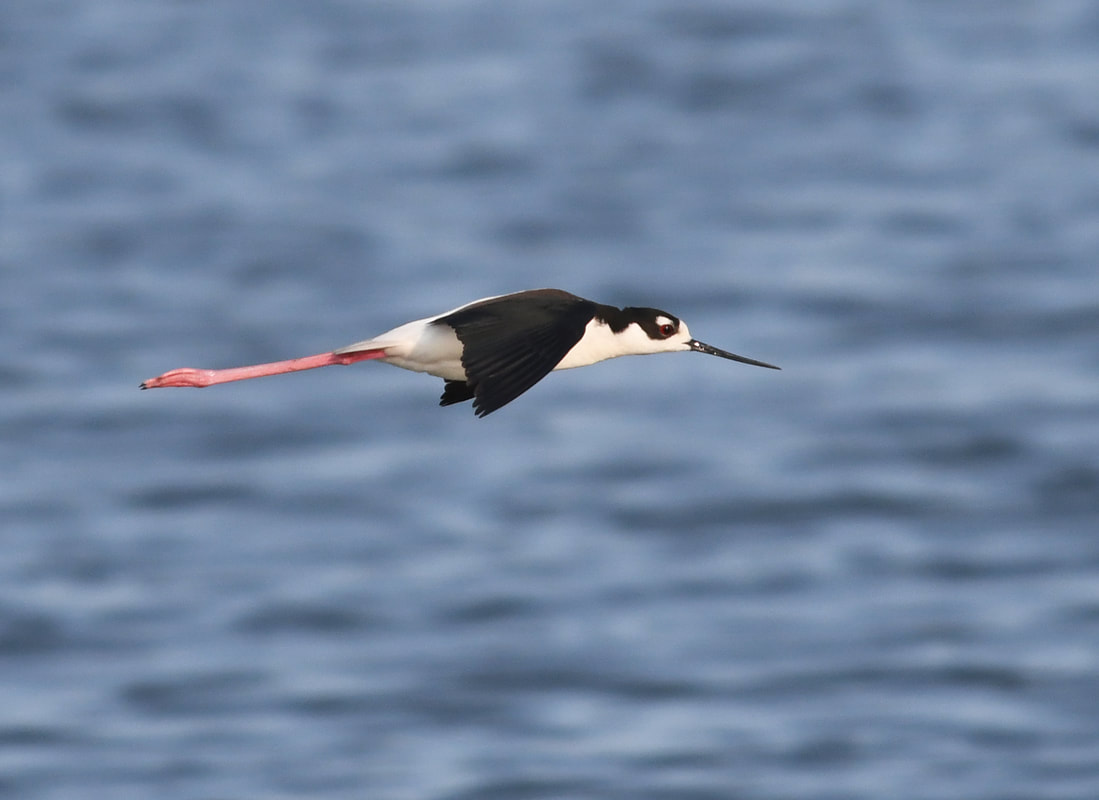
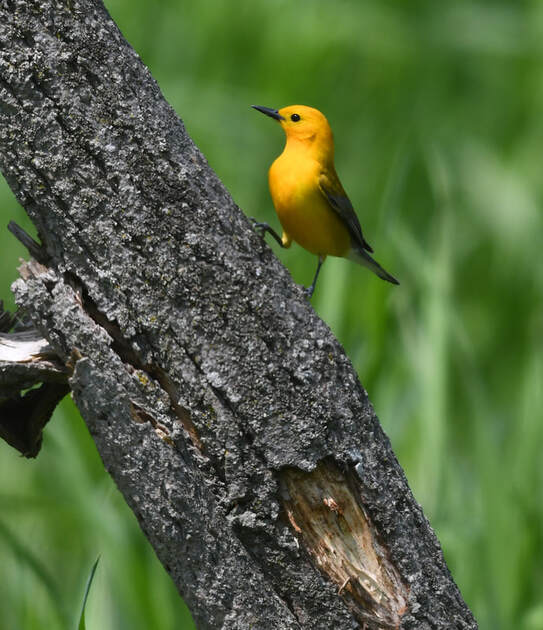
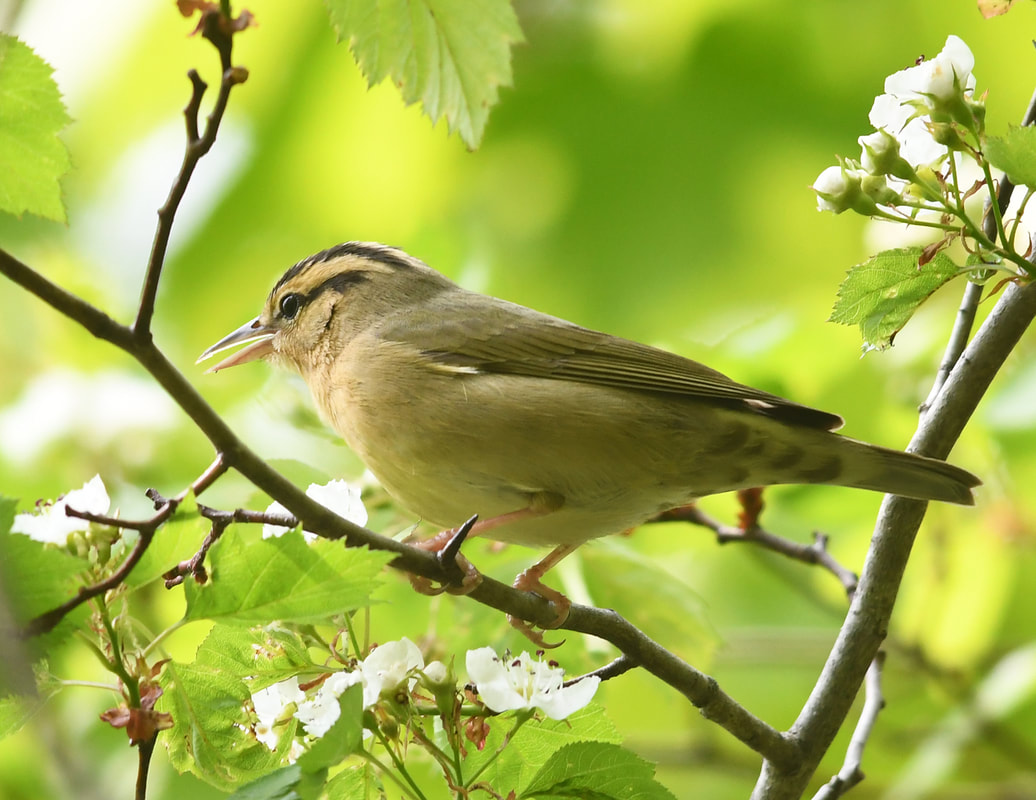
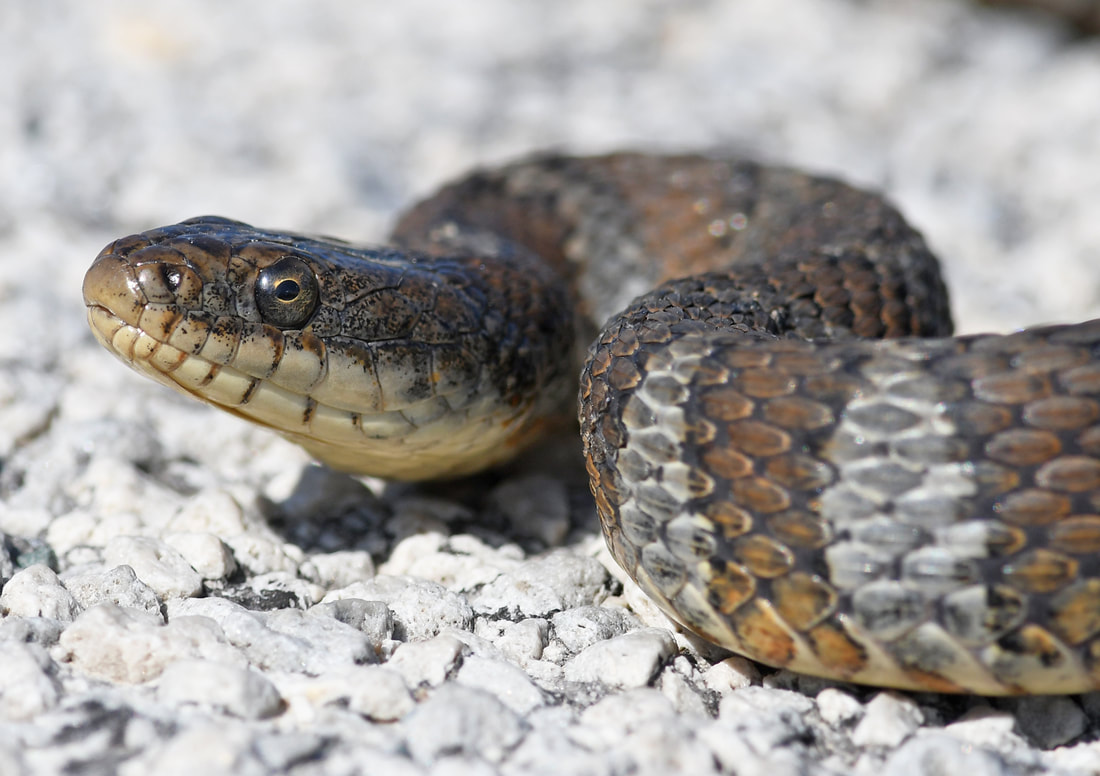
The last month and a half has been a whirlwind to say the least. Laura and I returned from Brazil on April 27, just in time for the peak of spring migration here in southern Ontario. But of course, we couldn't just drop everything and go birding as our plates had been full with other important items. Finding a rental house, for one. Becoming gainfully employed, for two. And, most importantly, reconnecting with friends and family. As I write this now, I'm sitting in the living room of our new place in Hamilton, Ontario, sipping coffee and enjoying a furry friend on the couch beside me, as I enjoy my first day off in 22 days. Over the past six weeks, Laura and I have successfully checked off the big items on the to-do list. Both of us have found more work than we know what to do with, the house-finding mission was surprisingly easier than we had envisioned, and we are settling into the next phase of our life. But even with all of the busyness of the last little while, there was always time for birding (there always is, somehow!). My first birding trip was to Manitoulin in late April. I had 24 hours in my schedule open and so I drove up to Kagawong Bay to see Merriweather, a Lewis's Woodpecker that had taken up residence at the feeders of Bob and Phyllis. This represented the 11th record for Ontario, and the first for Manitoulin District. Thanks to Phyllis's knowledge of Merriweather's behaviour, she quickly found him roosting on one of his favourite trees. This was only the second time I had ever seen a Lewis's Woodpecker, following my lifer in Arizona last April. It was a new species for my Ontario list. Thanks, Bob and Phyllis for the hospitality (and delicious coffee and breakfast sandwich!). I led a few ONshore tours this spring at various locations in southern Ontario. It is always such a fulfilling day when I get to spend it outside with others, appreciating bird migration and other aspects of nature. Each tour was a complete success! As always, I tried to maximize my time at Point Pelee National Park in southwestern Ontario. The Festival of Birds at Point Pelee is consistently one of the year's highlights for me. There is something magical about May at Point Pelee when bird migration is the number one item on everyone's mind. It is wonderful to catch up with old friends, some whom I hadn't seen since last year's Festival of Birds. And the birding is always top-notch! This year, I made less of an effort to chase reports of rare birds at Point Pelee, especially those which I have seen multiple times before. I didn't feel inspired to chase the latest sighting of Summer Tanager or Yellow-throated Warbler, instead preferring to walk some of the quieter trails on my own or with a friend or two. While my total species count was a little lower, this gave me the opportunity to enjoy the quieter moments on my own and to appreciate some of the species which I may have glossed over a little too quickly in the past. One of my favourite aspects of spring Pelee birding is the morning flight, or "reverse migration", off of the southern tip of Point Pelee. This isn't always a guaranteed strategy to see an abundance of migrants, but if the conditions are right - typically, if there had been a heavy migration the night before - then the skies can be filled with warblers, vireos, sparrows, woodpeckers and more as they fly off the tip of Point Pelee. The reasons for this flight are not entirely known. Are the birds backtracking across the lake to Ohio following a night in which they flew too far? Are they just flying off the tip of Point Pelee to re-orient themselves, before returning to the park? It seems that most of the birds circle back, as we often see the same individual fly off the tip 3, 4, 5 times or more during a morning. Regardless of the reason, the morning flight can be dynamic and it is the best way to "find" rarities at Point Pelee. For a number of reasons, I was only able to make it to the tip to experience a solid morning flight on a few occasions, the best being May 12. We stayed at the tip until nearly 11 AM because the flight was so good. As expected, orioles, warblers and Indigo Buntings dominated the flight, but there were some great birds mixed in. The highlight was a young male Blue Grosbeak that I noticed simultaneously with several other keen tip-watchers. Luckily, many of the birders present were able to get on the bird since it wasn't too high in the sky and remained in view for a decent amount of time. Unfortunately, it was only seen once, so maybe this one did continue back to Ohio. Blue Grosbeak is a bird that I have had strange luck with at Point Pelee. This was my fourth individual over the years, of which three were observed flying off the tip. A Dickcissel announced its presence with its distinctive low buzzy call as it flew overhead. I have seen quite a few individuals over the years fly off the tip, but I have still never seen one perched anywhere at Point Pelee! While the Blue Grosbeak and Dickcissel were the main highlights, there was many other birds to look at. Prothonotary, Cerulean, Blue-winged and Pine were the most unusual warblers detected that morning. The Cerulean was first found just north of the tip, and I photographed it alongside several others. While Point Pelee can be a lot of fun, it is also a little draining (especially for an introvert like myself) since there is so much socializing involved. It can be difficult to walk more than a few steps before the next familiar face passes along the trail, and another conversation commences. Like last year, I "escaped" for a few days to Pelee Island for some relaxed, anonymous birding. While the logistics are slightly more complicated than the mainland, the island offers comparable birding with far less people. As per usual, I stayed at the East Park campground for three nights. Last year provided some great highlights, and in my short time on the island I found a Worm-eating Warbler, Mississippi Kite, Summer Tanager and more, while also chasing the Kirtland's Warbler that Alvan and Jess found. This year, the conditions weren't great and migration was pretty weak during my visit. The weather was a little cool as well, dampening reptile activity. That being said, I really enjoyed my stay as it gave me a chance to regain my energy stores before returning to Point Pelee. There is always the risk of missing a great bird when one is birding Pelee Island since it is, after all, an island. Last year, my Pelee Island trip very nearly cost me Ontario's first Hepatic Tanager which was found in Oakville while I was trapped on the island and unable to rebook to an earlier ferry. Luckily, it hung around another day, giving me a chance to observe it. Generally, I don't worry about missing a bird since there may only be one or two species each spring that I would have major regrets about missing (typically, a species new for my Ontario list). The benefits of experiencing Pelee Island outweigh the risks of a mega showing up somewhere on the mainland! But this spring, much like in 2022, my Pelee Island trip nearly cost me another mega. This time, it was the very first Willow Ptarmigan to be documented for Point Pelee National Park, one of very few records in southern Ontario. The story could easily be its own blog post, but I'll summarize briefly. This individual was first observed in Toronto back in April, then a few weeks later it made a stop at Port Stanley, and then Wheatley on May 8. Early on May 9, birders were shocked to discover the ptarmigan walking on the sand at the tip of Point Pelee! I was "stuck" on Pelee Island at the time but Jacob Stasso and I made the decision to take the 8 AM ferry back to the mainland, knowing full well that the ptarmigan would likely fly off long before we could arrive. Since there was no space for additional vehicles on the ferry, I left my car on the island. Jacob, who had traveled to the island with Jeremy Hatt, had left his car at the Leamington docks. Somehow, the ptarmigan remained at the tip for a few more hours, enough time for Jacob and I to drive down and see it. It was pretty surreal to watch this Arctic visitor wandering around the tip, eating buds off the low shrubs. A new species for Point Pelee National Park and one of the craziest bird records here in recent years. At 10:29 AM, a mere 30 minutes after we had arrived, the Willow Ptarmigan took flight and headed southwest over the lake, never to be seen again in Ontario. Willow Ptarmigans are known for their migrational tendencies and they can fly for long periods over open water. It was pretty incredible to see that behaviour at Point Pelee National Park! While we are on the theme of rare birds, I would be remiss not to mention Ontario's first Limpkin which was discovered by my good friend Josh Mandell and his 8-year-old girls, Rebecca and Emily. When Dave Szmyr and Josh called me that morning, it took quite a bit of convincing before I was sure that they were not messing with me! I had commitments that day, but I drove up in the evening, spent the night at Josh's house, and saw the Limpkin the next morning. What a crazy bird so see in Simcoe County. Technically, a Limpkin has been seen from Ontario before, but never within the province's borders. Last November, an extremely-out-of-range Limpkin spent a few days near the mouth of the Niagara River on the New York side. While it could be scoped distantly from Niagara-on-the-Lake, it never crossed the river and so it remained off the official bird list for Ontario. This Simcoe bird officially added it to the province's list. This post is getting a little long-winded, so I'll wrap it up here. Below are a few more photos of some of the spring's highlights. And perhaps I'll have to make a mothing post soon, as I have recently had several very successful sessions. So much to see at this time of year!
0 Comments
Leave a Reply. |
Archives
November 2025
|
RSS Feed